Abstract
This study systematically reviews literature on U.S. police responses to intimate partner violence (IPV) to identify how police actions were measured, types of police interventions, and consequences of police responses. A comprehensive keyword search was conducted across 12 databases to identify relevant studies. It used predefined inclusion and exclusion criteria aligned with PRISMA-P guidelines. Ultimately, 16 articles were coded according to a pre-developed coding scheme. It finds that 43.7% of the studies investigated the impact of police responses on IPV victims or offenders, while 31.0% aimed to identify the factors associated with those responses. When police responses were used as an independent variable, the most commonly measured interventions included whether the incident was reported to the police and whether arrests were made (62.5%). Victim-related variables, such as leaving an abusive partner, mental health status, repeat victimization, and perceived safety, were frequently examined in relation to police responses. Notably, only 37.5% of the studies provided policy implications, which often focused on recommending additional training or educational programs for law enforcement professionals. This review advances the IPV literature by examining pre-COVID-19 research on police responses, emphasizing theoretical grounding, outcome diversity, and policy relevance. It outlines directions for evidence-based policing research.
-
Keywords: IPV; Police Response; COVID-19; Intimate Partner Violence; Systematic Review
Introduction
Intimate Partner Violence (IPV) persists as a widespread and deeply consequential phenomenon in the United States, affecting millions of individuals each year. The 2016/2017 Report on Intimate Partner Violence indicated that 47.3% of women (53 million) and 44.2% of men (52.1 million) in the United States reported experiencing “any contact sexual violence, physical violence, and/or stalking by an intimate partner in their lifetime” (
Leemis et al., 2022:4). The report further demonstrated that more women than men experienced contact sexual violence (19.6% vs. 7.6%) and stalking (13.5% vs 5.2%), while rates of physical violence perpetrated by an intimate partner are comparable between women and men (42.0% and 42.3%, respectively) (
Leemis, et al., 2022). Despite the prevalence of IPV, there is no single federal statute in the United States that defines it as a standalone crime. Addressing IPV relies on multiple legal frameworks, including the Violence Against Women Act of 1994, which delineates and prohibits specific acts of violence committed by current or former intimate partners. An intimate partner is broadly defined as “a person with whom one has a close personal relationship that may be characterized by the partners’ emotional connectedness, regular contact, ongoing physical contact and sexual behavior, identity as a couple, and familiarity and knowledge about each other’s lives” (
Breiding et al., 2015:11). Encompassing abuse or aggression within intimate partner/romantic relationships, IPV remains a pervasive public health and criminal justice concern due to its high prevalence, recurrent nature, and substantial short- and long-term consequences for victims, families, and communities (
Davis et al., 2007;
Hovell et al., 2006;
Johnson & Hohl, 2023;
Leemis et al., 2022).
Given these far-reaching consequences, law enforcement has become a central institution in the societal response to IPV. Because IPV is criminalized in most jurisdictions, police serve as primary first responders responsible for investigation, arrest, and risk assessment, and they often represent the first point of contact for victims seeking protection or intervention. In the United States, law enforcement agencies increasingly recognize IPV as a complex public safety and public health issue that requires specialized responses. Many police departments have established dedicated units, such as Domestic Violence Units, Victim Service Units, or Violence Against Women Units, that focus specifically on these cases. Officers assigned to these divisions often receive specialized training in the dynamics to IPV, trauma-informed interviewing techniques, evidence-based investigation strategies, and the legal frameworks surrounding protective orders and victim safety. These specialized officers frequently collaborate with victim advocacy programs, social service providers, and community-based organizations to ensure a more holistic response (see
Ward-Lasher et al., 2017;
Reuland et al., 2006). Their responses can have a profound impact on victims’ safety, legal outcomes, psychological well-being, and subsequent interactions with the criminal justice system. As such, police intervention plays a critical role in shaping the trajectory of IPV cases and the lives of those involved. However, the effectiveness and consequences of police responses, ranging from arrest, investigation, and referral to victim services, to IPV have long been the subject of scholarly and policy debate.
Over the past several decades, the U.S. criminal justice system’s approach to IPV has shifted significantly, with increased emphasis on policies such as mandatory arrest, pro-prosecution strategies, and the development of specialized domestic violence units. While these changes aim to enhance victim safety and hold offenders accountable, questions remain regarding the actual outcomes of these interventions. For instance, some researchers argue that punitive responses may inadvertently disempower victims, strain victim-officer relationships, result in unintended legal or personal consequences, or increase subsequent offending (
Berk et al., 1992;
Davis et al., 2007;
Rajah et al., 2006;
Sherman et al., 1991). Others highlight the potential for police action to prevent repeat victimization or promote feelings of safety and empowerment (
Dunford et al., 1990; Sherman & Berk, 1984;
Felson et al., 2005).
Despite the growing body of literature on police responses to IPV, the field lacks a comprehensive synthesis of empirical findings focused specifically on the consequences of these responses for victims, offenders, and broader community safety. Prior reviews have often examined general policing practices or emphasized legal and procedural developments (
Eitle, 2005;
Garza et al., 2020;
Hall, 2005;
Hirschel et al., 2007;
Huff, 2021), but few have systematically assessed the empirical evidence concerning the outcomes of police interventions in IPV cases (
Hoppe et al., 2020;
Maxwell et al., 2002). To address these gaps, the current study undertakes a systematic review of peer-reviewed research that explicitly employs police response as an input variable in analyses of IPV outcomes. The central objective of this study is not merely to catalog policing practices but to critically examine how different forms of police intervention, such as arrest, mandatory arrest policies, dual arrest, referral, and other discretionary actions, have been operationalized as input variables and empirically linked to measurable outcomes for victims and offenders.
To preserve analytic clarity, the current review is limited to studies conducted in the United States and published through 2020, thereby capturing patterns of police practices prior to the onset of the COVID-19 pandemic. This temporal boundary is analytically important because the pandemic significantly reshaped law enforcement protocols, operational priorities, and organizational capacities (
Johnson & Hohl, 2023;
Maskály et al., 2021). Police agencies faced significant practical constraints associated with remote and socially distanced work arrangements, newly implemented health and safety protocols, and reduced personnel availability (
Maskály et al., 2021). Illness, mandatory self-isolation, and workforce attrition further strained departmental resources and curtailed routine activities, including community-oriented policing initiatives and training (
Maskály et al., 2021). By focusing on the pre-pandemic period, this review seeks to establish a clearer baseline understanding of IPV-related policing practices unmediated by these extraordinary disruptions. Specifically, this review addresses four interrelated questions: (1) What primary objectives have guided studies in which police response functions as an input variable? (2) Which police responses have been used as an input variable across empirical analyses? (3) Which theoretical frameworks and methodological approaches have employed to assess its effects? and (4) What policy implications have been drawn from the findings that treat police response as an input variable of IPV-related outcomes? Through this systematic review, we aim to provide a critical and timely synthesis of current knowledge, identify substantive and methodological gaps, and advance directions for future research, policy development, and evidence-informed policing practice in the context of IPV.
Methods
This study conducted a systematic review of research examining the outcomes of police responses to IPV. The review followed the Preferred Reporting Items for Systematic Reviews and Meta- Analyses Protocols (PRISMA-P) guidelines (Moher et al., 2015).
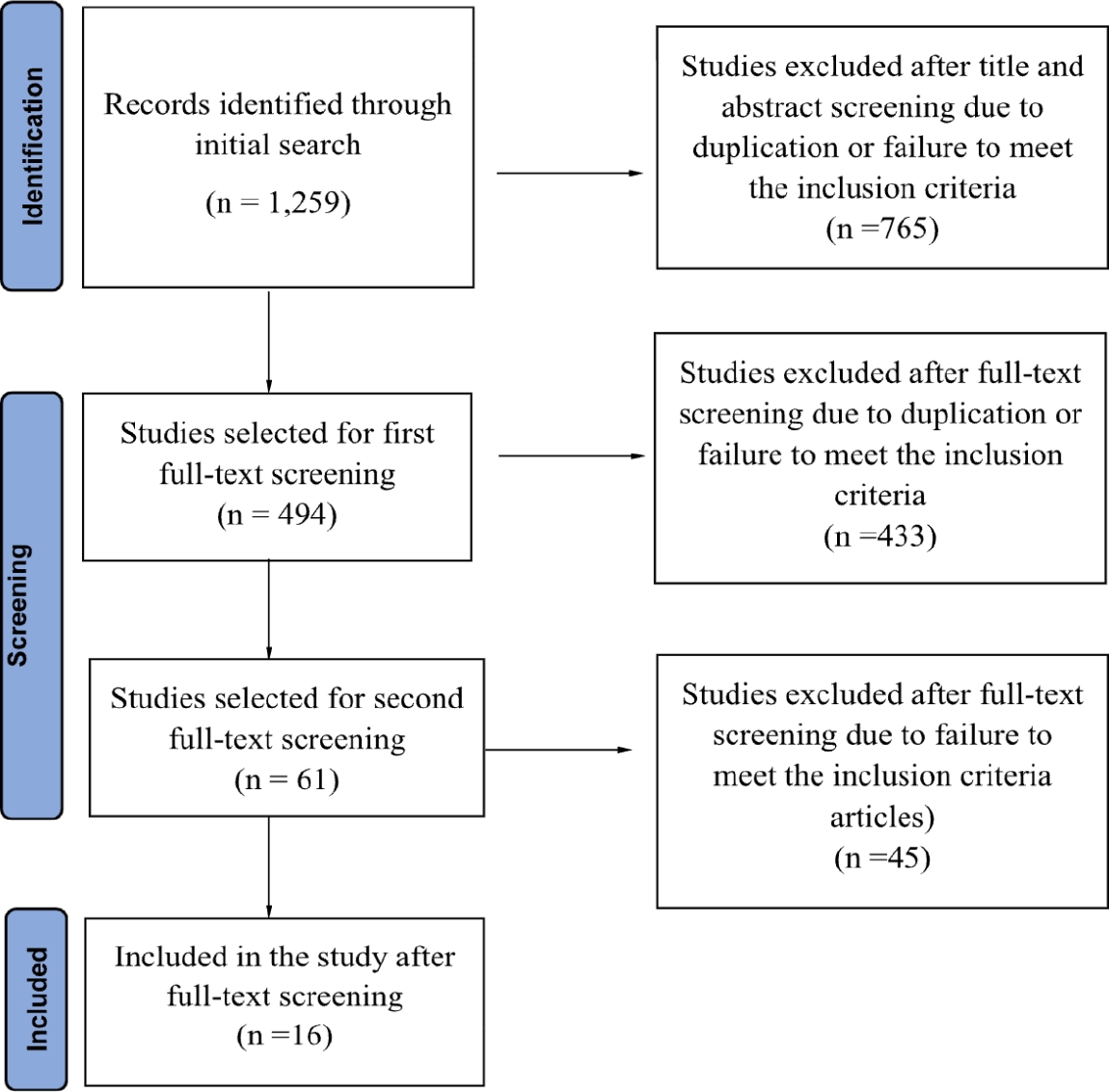
Figure 1 presents the detailed search process.
A comprehensive literature search was conducted across multiple databases, including Academic Search Premier, CINAHL Plus with Full Text, Criminal Justice Database, PAIS Index, PsycArticles, PsycInfo, PTSDPubs, PubMed, Scopus, Social Sciences Full Text, Social Services Abstracts, and Sociological Abstracts. We chose these datasets because they are recognized as leading resources in this subject area and were accessible through our research team’s institutions. The inclusion criteria for this review were: (1) original research; (2) studies examining direct police responses to IPV; (3) research focusing on the consequences or outcomes of those police responses; (4) studies based on U.S. samples; and (5) peer-reviewed journal articles published in English up to the year 2020. Studies were excluded if they examined police responses as outcome variables, as the purpose of this review was to assess the consequences of police actions. Additionally, studies published after 2020 were excluded due to significant changes in policing strategies and responses to crimes—including IPV—following the onset of the COVID-19 pandemic (Halford & Smith, 2022). Therefore, studies published after 2020 may not reflect general policing practices prior to the pandemic. Furthermore, studies focusing solely on perceptions or attitudes toward police responses, rather than direct experiences, were also excluded.
A comprehensive keyword search was conducted using combinations of terms related to IPV (“domestic violence” OR “DV” OR “domestic assault” OR “domestic abuse” OR “intimate partner violence” OR “IPV” OR “spouse* abuse” OR “spouse* violence” OR “spouse* assault” OR “family violence” OR “marital violence” OR “battered woman*” OR “conjugal violence” OR “abused woman*” OR “dating violence”), police (“law enforcement” OR “police*” OR “cop” OR “officer” OR “criminal justice” OR “formal*” OR “legal”), and responses (“response” OR “call” OR “arrest*” OR “complianc*” OR “trust” OR “service” OR “experience” OR “role” OR “attitude” OR “perception”).
The initial search yielded 1,259 articles based on titles and abstracts. After removing duplicates and excluding articles that did not meet the inclusion criteria (e.g., not original research), 494 articles were retained for further screening. Of those, 61 articles were selected for full-text review, and ultimately, 16 articles met all inclusion criteria and were included in the final sample. The review process was conducted by two researchers with expertise in IPV and policing, both of whom have conducted multiple systematic reviews. The coding scheme used for this review was developed based on the researchers’ previous work (Kim & Schmuhl, 2020) and refined through an inductive and deductive approach. To enhance reliability, both researchers independently coded all the articles, compared their findings, and discussed any discrepancies. Although inter-rater reliability statistics were not formally calculated, all disagreements were resolved through discussion until consensus was reached.
Analysis and Results
Sample Characteristics
A total of 16 articles were included in this study. Although our inclusion criteria were the articles published up to 2020, no eligible articles examining the consequences or outcomes of police response to IPV were identified for the periods before 2003 and between 2018 and 2020 after the screening process. As shown in
Table 1, most studies (n=14, 87.50%) were published in criminal justice/criminology journals such as Journal of Interpersonal Violence, Journal of Family Violence, and Violence Against Women. The other two articles were published in a social work journal (i.e., Journal of Family Social Work) (
Weisz et al., 2006) and a law/political science journal (i.e., Law & Society Review) (
Hickman & Simpson, 2003).
Main goals of these studies were examining the impact of police responses on victims or offenders (n=7, 43.75%) (
Apsler et al., 2003;
Felson et al., 2005;
Hickman & Simpson, 2003;
Horwitz et al., 2011;
Li et al., 2015;
Shim & Hwang, 2005;
Xie & Lynch, 2017), identifying the factors or themes associated with the police responses to IPV (n=5) (
DeMaris & Kaukinen, 2008;
Exum et al., 2014;
Horwitz et al., 2011;
Weisz et al., 2006;
Xie & Lynch, 2017), examining the impact of laws or policies (n=1) (
Rajah et al., 2006), developing/implementing the IPV prevention strategies by examining the impact of interventions (n=3) (
Corcoran et al., 2005;
Exum et al., 2014;
Hovell et al., 2006), and examining prevalence of IPV that are associated with the police responses (n=1) (
Capaldi et al., 2009). For example,
Exum et al. (2014) evaluated the impact of the Charlotte Domestic Violence (DV) Unit by comparing it to standard patrol in terms of offender recidivism. One of their primary goals was to assess whether the DV unit serves as an effective strategy for policing domestic violence. Finally, the goal of one study was coded as “others”, which focused on the nature of injuries that occurred during the arrest incident (
Capaldi et al., 2009).
As theoretical frameworks or concepts are essential for guiding the direction and rigor of research, we analyzed whether the studies included in this systematic review were grounded in any specific theories. When applicable, we also identified which theoretical frameworks were utilized. Half of the studies were guided by a theoretical framework (see
Table 1). Some studies were based on a single theory, while others drew from multiple theories. Accordingly, we coded up to three theories per study, if applicable. A total of 16 different theories were used in the studies, including social learning theory (
Hickman & Simpson, 2003), self-efficacy theory (
DeMaris & Kaukinen, 2008), deterrence theory (
Felson et al., 2005), and criminal opportunity theory (
Hickman & Simpson, 2003). Notably, several gender-focused theoretical perspectives were frequently used across the studies, including Richie’s Gender Entrapment Theory (
Miller, 2003), gendered perspectives on violence (
Miller, 2003), and the concept of gender-symmetrical family violence (
Li et al., 2015).
Most studies (n=11, 68.75%) utilized a quantitative methodology, while three studies (
Horwitz et al., 2011;
Li et al., 2015;
Shim & Hwang, 2005) employed qualitative methods (see
Tables 1 &
2). For instance,
Li et al. (2015) examined women’s perspectives on the context and consequences of IPV-related arrests, as well as the role of police in their arrest experiences. This study focused on women who were court-ordered to attend IPV education programs and used semi-structured interviews for data collection. In addition, two studies (
Rajah et al., 2006;
Weisz et al., 2006) used a mixed-methods approach.
Rajah and colleagues (2006), for example, explored the negative effects of the mandatory arrest policy on female victims of domestic violence who had experienced arrest. Drawing on data from the Family Violence Project (FVP) of the Urban Justice Center in New York City, they analyzed helpline callers’ socioeconomic and demographic information. Through in-depth interviews, they further examined the meanings and consequences of arrest—both personal and relational—as well as participants’ views on the mandatory arrest policy and law.
Regarding data collection methods, we coded all the methods used in each study, allowing for up to three methods per study. Therefore, the total does not add up to 100%. Quantitative surveys were the most commonly used (
Apsler et al., 2003;
Capaldi et al., 2009;
Corcoran et al., 2005;
DeMaris & Kaukinen, 2008;
Exum et al., 2014;
Felson et al., 2005;
Rajah et al., 2006;
Weisz et al., 2006;
Xie & Lynch, 2017) (n=9, 56.25%), followed by in-depth interviews (
Apsler et al., 2003;
Li et al., 2015;
Rajah et al., 2006;
Shim & Hwang, 2005;
Weisz et al., 2006) (n=4, 25.00%) and (quasi)experiments (n=5, 31.25%) (
Hovell et al., 2006;
Hickman & Simpson, 2003;
Kim & Gray, 2008;
Miller, 2003;
Weisz et al., 2006). For instance, using data from the Domestic Violence Experiment conducted in Omaha, Nebraska (1986–1987),
Kim and Gray (2008) examined women's decisions to leave or stay with their partners following incidents of IPV. The original dataset included domestic violence calls made to the Omaha Police Department between 4 p.m. and midnight. Cases were included in the experiment if both the victim and perpetrator were over 18 years old and had cohabited during the year prior to the incident. Therefore, this study was coded as a “(quasi)experiment.” Similarly,
Hovell et al. (2006) evaluated the impact of the Family Violence Response Team (FVRT), which was created to provide social services to victims and children following domestic violence calls. Using a quasi-experimental cohort design, the study compared cases assisted by FVRT with cases involving families with children who received police response prior to the implementation of FVRT. Thus, this study was also coded as a “(quasi)experiment.”
In addition, one study (
Horwitz et al., 2011) utilized a focus group. For instance, to explore the experiences of police officers dealing with domestic violence,
Horwitz et al. (2011) conducted a focus group with 22 officers, discussing the scope of their practice and their emotional responses. Through these discussions, the researchers identified three key themes: police practice patterns, the chronicity and complexity of the issues, and the need for future integration with broader systems.
Over 62 percent of studies (n=10) utilized probability sampling, whereas two studies (
Kim & Gray, 2008;
Weisz et al., 2006) included a population, rather than a sample. Three studies (
Li et al., 2015;
Horwitz et al., 2011;
Shim & Hwang, 2005) utilized non-probability sampling, such as purposive sampling. One study (
Corcoran et al., 2005) used mixed sampling designs. Victims/survivors of IPV (n=10, 62.50%) were recruited the most, followed by mixed groups of participants (n=4, 25.00%) (
Capaldi et al., 2009;
Corcoran et al., 2005;
Exum et al., 2014;
Hovell et al., 2006). If a study used police incident reports that included information on both victims and suspects/offenders, we categorized the sample as “mixed.” For example,
Exum et al. (2014) utilized domestic violence-related police incident reports to evaluate the impact of the Charlotte Domestic Violence Unit on offender recidivism. These reports contained data on suspect characteristics, offense severity, and other relevant variables. Therefore, the study was coded as having a “mixed” sample. Two studies (12.5%) (
Horwitz et al., 2011;
Shim & Hwang, 2005) recruited their samples from the criminal justice system or social work agency, including police officers (
Horwitz et al., 2011) and social workers (
Shim & Hwang, 2005) (see
Table 1).
As noted, we only included studies that examined the outcomes or consequences of police responses. Among the studies included in this review, we were particularly interested in identifying which outcome variables were associated with police responses in quantitative studies. Of the 16 studies reviewed, three (
Horwitz et al., 2011;
Li et al., 2015;
Shim & Hwang, 2005) were qualitative, and five (
Apsler et al., 2003;
Capaldi et al., 2009;
Corcoran et al., 2005;
Rajah et al., 2006;
Weisz et al., 2006) relied solely on descriptive statistics or bivariate analysis without employing more advanced statistical techniques. Therefore, only eight studies (
DeMaris & Kaukinen, 2008;
Exum et al., 2014;
Felson et al., 2005;
Hickman & Simpson, 2003;
Hovell et al., 2006;
Kim & Gray, 2008;
Miller, 2003;
Xie & Lynch, 2017) were included in this portion of the analysis (see
Table 1).
Before examining the outcome variables associated with police responses, we reviewed how police responses were measured. The most commonly used measure focused on types of police intervention was arrest (
DeMaris & Kaukinen, 2008;
Exum et al., 2014;
Hickman & Simpson, 2003;
Miller, 2003;
Xie & Lynch, 2017). Two studies specifically measured the presence of victim-specialized programs: one measured the assignment of cases to a Domestic Violence Unit (
Exum et al., 2014), while the other measured the intervention of the Family Violence Response Team (FVRT) (
Hovell et al., 2006). One study by
Kim and Gray (2008) examined police behavior during domestic violence incidents, specifically whether officers appeared to side with the perpetrator. The authors hypothesized that there would be no association between a battered woman’s decision to stay or leave and the behavior of law enforcement during the incident. Their findings supported this hypothesis, showing that negative police behavior did not significantly influence a woman’s decision to leave her partner—a result that contradicts the findings of several other studies.
Outcome variables that were statistically associated with different types of police responses were categorized into two groups: victim-related and offender-related variables. Among the victim-related variables, variables such as the victim’s decision to leave their partner within six months (
Kim & Gray, 2008), mental health (PTSD) (
DeMaris & Kaukinen, 2008), repeat victimization (
Felson et al., 2005;
Xie & Lynch, 2017), perceived legal power (
Miller, 2003), feeling safe (
Miller, 2003), and reporting to the police following revictimization (
Hickman & Simpson, 2003) were found to be significantly associated with police responses. Regarding offender-related variables, only one study (
Hovell et al., 2006) examined offender recidivism as an outcome of police response (see
Table 1).
Only 37.5% of the studies (n=6) offered policy implications based on their findings. Up to six policy suggestions were made across these studies, so the total does not add up to 100%. Additionally, when similar types of policies or interventions were presented in different formats within an article, each instance was coded separately. This means a single article could contribute multiple, repeated codes for similar suggestions. We categorized the policy suggestions into five groups: 1) Community-based interventions, 2) Criminal justice practitioner-focused recommendations, 3) Policy and legislative changes, 4) Local-level rules and regulations, and 5) Other. The most common suggestions were aimed at criminal justice practitioners, such as training or educational programs for law enforcement (n=10). For example,
Horwitz et al. (2011) conducted focus groups with 22 police officers to examine their experiences and emotional reactions to domestic violence calls. Based on their findings, they suggested that police officers receive continuing domestic violence education to better meet victims' specific needs. These included providing resources and support for victims (
Shim & Hwang, 2005), helping victims prepare necessary documents before contacting the police (
Shim & Hwang, 2005), and fostering strong collaboration between police and IPV advocates (
Li et al., 2015;
Shim & Hwang, 2005). Policy and legislative changes were suggested two times (
Hovell et al., 2006). Examples include identifying effective interventions that reduce domestic violence rates and evaluating programs that have not demonstrated success in reducing IPV. Other types of suggestions (n=2) (
Felson et al., 2005;
Shim & Hwang, 2005) included encouraging victims to report abuse (
Felson et al., 2005) and ensuring clients provide accurate descriptions of the violence they experienced (
Shim & Hwang, 2005). Lastly, one study (n=1) (
Li et al., 2015) proposed local-level rules and regulations —specifically, the use of a specialized IPV unit within the police department.
Discussion
To address the four interrelated research questions, the selected 16 studies were systematically reviewed, and the findings were comprehensively reported. This section presents the key themes and associated concerns that emerged from the analysis of the reviewed literature.
Table 3 summarizes the findings and implications for policy, practice, and research.
First, although 12 of the 20 coded goals from the 16 selected studies were either to examine the impacts of police response on victims or offenders (n=7) or to identify the factors associated with the police response to IPV (n=5), the reviewed literature addressed a range of topics related to police intervention. For example,
Capaldi et al. (2009) explored the types of violence and the nature of injuries during arrest incidents, while
Exum et al. (2014) evaluated the effectiveness of a dedicated police domestic violence unit and its impact on recidivism. These studies contributed to a broader understanding of police responses to IPV. However, no studies have examined IPV victims' or perpetrators' injuries by the police or police injuries in responding to IPV cases. Responding to IPV or domestic violence incidents is one of the most dangerous situations for police officers. According to the FBI’s Law Enforcement Officers Killed and Assaulted (LEOKA), 43 (8.5%) of 503 officers feloniously killed on the line of duty from 2011 to 2020 were killed when responding to domestic violence calls (
Tucker, 2022).
Breul and Luongo (2017) conducted a study on law enforcement fatalities between 2010-2016 and classified 133 officers’ deaths on the line of duty by calls for service. They found that 29% of the deaths occurred when officers responded to domestic dispute calls, followed by disturbance (13%), man with a gun (10%), and shots fired (9%).
Breul and Luongo (2017) also reported that “more officers were shot while outside having not entered the residence and a number were shot from a distance” (p. 24) and stated that the most dangerous circumstance for law enforcement officers was when they respond to domestic dispute calls. In addition,
DeGue et al. (2016) analyzed fatalities due to police use of lethal force between 2009 and 2012 among 17 U.S. states and found that 113 (13.9%) of 812 fatal police shootings were related to IPV. The
Washington State Coalition Against Domestic Violence (2020) also reported that, based on the Washington State Domestic Violence Fatality Review (DVFR) data from 2015 to 2019, 22 (13.5%) of 163 police shootings were related to IPV incidents. Besides, a recent study found that IPV is a precursor to suicide, and a firearm is frequently used in suicide incidents (
Kafka et al., 2022). In IPV homicide-suicide incidents, particularly with a firearm, called a double-tragedy case, it is common that a perpetrator uses their own or attempts/ uses a police firearm (e.g., suicide by cops), which makes the circumstance more dangerous. Therefore, it is essential to investigate police response to IPV from the perspective of law enforcement officers to develop better and safer response strategies for both parties.
Second, of the 16 selected studies, 11 (68.7%) were cross-sectional studies, 4 (25%) were longitudinal studies, and 1 (6.3%) employed a cross-sectional longitudinal design—operationalized as collecting data from different participants across multiple time points. Among them, no single study conducted a comparative study, mostly focusing on one agency or program. It is understandable, the reason why, but examining police responses to IPV by agency and program at the local, county, state, and national levels would be useful to gain lessons and learn police practices. Besides, international comparative studies on policies and practices of police responses to IPV would provide valuable insights for determining whether current practices in the United States should be maintained or reformed.
Third, a range of theoretical frameworks was employed to examine the multifaceted nature of police responses to IPV. This trend suggests a recognition that neither IPV nor police behavior can be adequately explained by a single theoretical perspective, underscoring the inherent complexity of the subject matter. Notably, while approximately half of the reviewed studies applied theoretical frameworks as conceptual lenses, none undertook an empirical test of a theoretical model. Future research would benefit from partially or fully testing existing theories that comprehensively address the dynamics of IPV incidents, focusing on behavioral and intercorrelation aspects of victims, offenders, and police responses. Such efforts may ultimately inform the development of a new, more integrative theory, thereby advancing the scholarly understanding of police response to IPV.
Fourth, the current study aimed to identify how police responses to IPV influence victims, offenders, and associated personnel or programs, as well as how these responses were measured in existing literature. Given the predominant reliance on arrest, often driven by mandatory or dual arrest policies, it was important to investigate the extent to which alternative police interventions have been explored because doing so could uncover underexplored dimensions of police practice and contribute to a more comprehensive understanding of law enforcement’s role in addressing IPV. Regardless of the type of police responses, the reviewed studies primarily focused on outcomes related to victims, including victimization, mental health, perceptions of legal power, feelings of safety, and preferences for future police involvement, suggesting a gap in the literature concerning the broader impacts of police responses on all parties involved. To overcome this research gap, it is recommended for future studies to expand their focus beyond victim outcome to include the wider impacts of police intervention to build a more comprehensive understanding. Specifically, studies should examine how various forms of police intervention, beyond arrest, affect offender behavior, long-term recidivism, and the functioning of related personnel or programs, such as social services, victim advocates, or community-based interventions. As mentioned, longitudinal, mixed-methods, and comparative research designs could provide deeper insight into the sustained impacts of police actions across different stakeholder groups. Expanding the study scope in this way would help inform more balanced and effective police intervention in IPV contexts.
Fifth, future studies should further broaden the scope of inquiry by examining the effects of police responses on individuals beyond the direct parties involved in IPV incidents. While existing research has primarily focused on victims and offenders, police interventions may also affect cohabiting family members, particularly children living in households affected by IPV. For example, children may experience unintended consequences resulting from exposure to parental arrest or other forms of criminal justice involvement. Adopting a broader family-level perspective would enhance understanding of the indirect effects of police responses on child well-being, mental health, family functioning, and household stability. Such research would complement existing victim- and offender-centered approaches and provide a more comprehensive assessment of the broader social consequences of police intervention in IPV cases.
Finally, the finding that only 6 out of the 16 reviewed studies (37.5%) offered policy implications based on their empirical findings shows a limited translation of research into actionable guidance. The absence of evidence-based policy recommendations constrains the potential for meaningful reform and hinders the development of interventions that are contextually appropriate, effective, and equitable. While offering policy suggestions may not be a mandated component of academic research or a primary focus for all scholars, doing so enhances the practical value of research and can significantly contribute to informed decision-making in the criminal justice system. Among the 16 policy recommendations identified across the 6 studies, most concluded with general statements about what should be done, without providing detailed guidance on how such recommendations could be implemented in practice. For instance, recommendations frequently emphasized the need for improved police training, increased interagency collaboration, or the adoption of alternative intervention strategies. However, these proposals were often presented in abstract terms, lacking specific implementation strategies, resource considerations, or context-sensitive guidelines. This gap between recommendation and execution limits the practical utility of such findings for policymakers and practitioners. Without clear direction on how to translate research insights into concrete actions, even well-intentioned recommendations may remain aspirational rather than actionable. Therefore, it is recommended that future studies aim not only to generate empirically grounded policy suggestions but also to provide detailed, context-specific guidance on implementation processes, potential challenges, and mechanisms for evaluation to enhance the translational value of IPV research within the criminal justice system.
This study is not without limitations. First, we included only studies published in peer-reviewed journal articles. While this decision was made to ensure the quality of the studies reviewed, it may contribute to the "file drawer" problem, in which studies with negative or non-confirmatory findings are less likely to be published and therefore excluded from the review.
Second, we included only studies published up to 2020, which may have resulted in the exclusion of relevant studies published later, including those that analyzed pre-pandemic data. We acknowledge that the lengthy publication process may have led some studies examining pre-pandemic police responses to IPV to appear in the literature after 2020. Nevertheless, publication year was intentionally used as the eligibility criterion to ensure a transparent and reproducible screening process and to maintain a consistent pre-pandemic contextual framework across included studies. Specifically, the present study sought to examine police responses to IPV under relatively stable social and institutional conditions prior to the COVID-19 pandemic. The pandemic introduced substantial and unprecedented disruptions to criminal justice systems, including shifts in policing priorities, court operations, and service delivery models, which have altered both IPV dynamics and the nature of law enforcement responses. Consequently, studies conducted during or after the pandemic may reflect a fundamentally different context from that of pre-pandemic policing. By limiting the scope to pre-pandemic literature, this study aimed to establish a clear baseline of research findings and theoretical approaches that reflect long-standing trends and systemic norms, thereby providing a foundation for future comprehensive analyses that can assess how police responses to IPV have evolved in the wake of COVID-19. Therefore, future systematic reviews that includes studies conducted during and after the COVID-19 pandemic may identify different trends and outcomes compared to the present review, reflecting shifts in police practices, IPV dynamics, and institutional responses under pandemic-related conditions.
Third, the present study only reviewed literature published in English and focused specifically on the U.S. context, which constrains the generalizability of the findings to international settings. Future research is strongly encouraged to broaden the scope to a global level, thereby enabling cross-national comparisons and offering more comprehensive insights into the consequences of police responses to IPV.
Fourth, due to the scope of the study, the present study did not specifically analyze police responses to IPV within diverse communities, including constitutionally protected groups frequently targeted in bias-motivated offenses (e.g., race, color, religion, national origin, sexual orientation, gender identity, or disability). Future studies are highly recommended to prioritize integrative research that centers these populations to illuminate context-specific realities, structural barriers, and community-level concerns. Such work is essential for informing more equitable, culturally responsive, and evidence-based intervention strategies.
Finally, due to the small number of studies included in this review (n = 16), the findings have limited generalizability. In addition, the reported percentages for each finding may be highly sensitive to the inclusion or exclusion of a single study. Therefore, the results should be interpreted with caution.
Despite these limitations, the present study makes a meaningful contribution to guide future studies by identifying key research trends, theoretical and methodological approaches used, and implications for policy and practice suggested in existing empirical research on police responses to IPV in the United States prior to the COVID-19 pandemic.
Notes
Figure 1.A Flowchart of the Data Collection Process
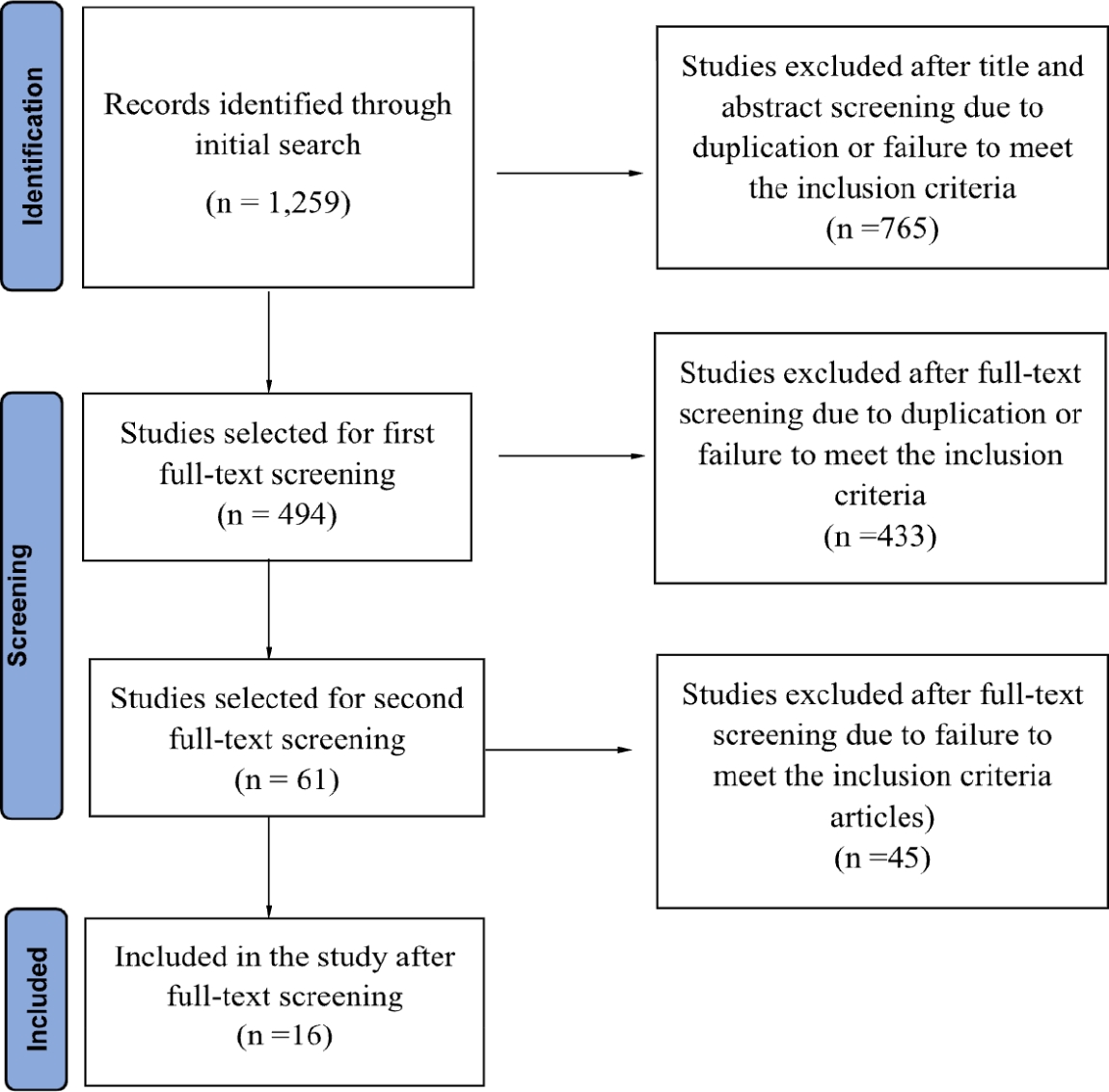
Table 1.The Characteristics of Articles Included in This Study (N=16)
Table 1.
|
Authors |
Journal Type |
Methodology / Data Type |
Data Collection Methods |
Datasets Used |
Time |
Sample |
Theory used |
DV |
Policy |
|
Apsler et al., 2003 |
Criminal justice/ Criminology |
Quantitative / Primary data |
Survey / In-depth interviews |
N/A |
Cross sectional |
Victims /Survivors |
No |
N/A |
No |
|
Capaldi et al., 2009 |
Criminal justice/ Criminology |
Quantitative / Secondary data |
Survey |
Oregon Youth study, Couple study, police records |
Longitudinal |
Mixed |
No |
N/A |
No |
|
Corcoran et al., 2005 |
Criminal justice/ Criminology |
Quantitative / Secondary data |
Survey |
Police report data on crisis team cases; of family violence cases |
Cross sectional |
Mixed |
Yes |
N/A |
No |
|
DeMaris & Kaukinen, 2008 |
Criminal justice/ Criminology |
Quantitative / Secondary data |
Survey |
Violence and Threats of Violence Against Women and Men in the United States |
Cross sectional |
Victims /Survivors |
Yes |
Victim's PTSD |
No |
|
Exum et al., 2014 |
Criminal justice/ Criminology |
Quantitative / Secondary data |
Survey |
Police agency data |
Cross sectional |
Mixed |
No |
Recidivism |
No |
|
Felson et al., 2005 |
Criminal justice/ Criminology |
Quantitative / Secondary data |
Survey |
National Crime Victimization Survey (NCVS) |
cross-sectional longitudinal |
Victims /Survivors |
Yes |
Not report |
Yes |
|
Hickman & Simpson, 2003 |
Law/ political science |
Quantitative / Secondary data |
(Quasi)Experiment |
Metro-Dade County (Florida) Spouse Assault Replication Program (SARP) |
Longitudinal |
Victims /Survivors |
Yes |
N/A |
No |
|
Horwitz et al., 2011 |
Criminal justice/ Criminology |
Qualitative / Primary data |
Focus groups |
N/A |
Cross sectional |
Service providers |
No |
N/A |
Yes |
|
Kim & Gray, 2008 |
Criminal justice/ Criminology |
Quantitative / Secondary data |
(Quasi)Experiment |
Data from the Domestic Violence Experiment in Omaha |
Cross sectional |
Victims /Survivors |
No |
Leave victim's partner in 6 months |
No |
|
Hovell et al., 2006 |
Criminal justice/ Criminology |
Quantitative / Secondary data |
(Quasi)Experiment |
FVRT services; Area Regional Justice Information System |
Cross sectional |
Mixed |
No |
Recidivism |
Yes |
|
Li et al., 2015 |
Criminal justice/ Criminology |
Qualitative/ Primary data |
In-depth interviews |
N/A |
Cross sectional |
Victims /Survivors |
Yes |
N/A |
Yes |
|
Miller, 2003 |
Criminal justice/ Criminology |
Quantitative / Secondary data |
(Quasi)Experiment |
Spouse Assault Replication Program (SARP) |
Longitudinal |
Victims /Survivors |
Yes |
Victims' perceived legal power / Victim felt safe |
No |
|
Rajah et al., 2006 |
Criminal justice/ Criminology |
Mixed / Secondary data |
Survey / In-depth interviews |
NYC Family Violence Project (FVP) Helpline information management system |
Cross sectional |
Victims /Survivors |
Yes |
N/A |
No |
|
Shim & Hwang, 2005 |
Criminal justice/ Criminology |
Qualitative / Primary data |
In-depth interviews |
N/A |
Cross sectional |
Service providers |
Yes |
N/A |
Yes |
|
Weisz et al., 2006 |
Social work |
Mixed / Combined |
(Quasi)Experiment/ Survey / In-depth interviews |
Detroit Police DV incident reports |
Cross sectional |
Victims /Survivors |
No |
N/A |
Yes |
|
Xie & Lynch, 2017 |
Criminal justice/ Criminology |
Quantitative / Secondary data |
Survey |
NCVS |
Longitudinal |
Victims /Survivors |
No |
Victimization |
No |
Table 2.
Table 2.
|
Variables |
N |
% |
|
Methodology
|
|
|
|
Qualitative |
3 |
18.75 |
|
Quantitative |
11 |
68.75 |
|
Mixed |
2 |
12.50 |
|
Time
|
|
|
|
Cross-sectional |
11 |
68.85 |
|
Longitudinal |
4 |
25.0 |
|
Cross-sectional longitudinal |
1 |
6.25 |
|
Other |
0 |
0 |
|
Data Collection Methods1
|
|
|
|
Surveys2
|
9 |
56.25 |
|
Interview, in-depth interview |
4 |
25.0 |
|
Focus groups (group interviews) |
1 |
0.62 |
|
Experiments/Quasi-experiments |
5 |
31.25 |
|
Data Type
|
|
|
|
Primary |
4 |
25.0 |
|
Secondary |
11 |
68.75 |
|
Combined |
1 |
6.25 |
|
Level of Data
|
|
|
|
Individual-level data |
16 |
100 |
|
Aggregate-level data |
0 |
0 |
|
Sampling
|
|
|
|
Probability |
10 |
62.50 |
|
Non-probability |
3 |
18.75 |
|
Mixed |
1 |
6.25 |
|
Population not a sample |
2 |
12.50 |
|
Sample
|
|
|
|
Victims /Survivors |
10 |
62.50 |
|
Service providers |
2 |
12.50 |
|
Mixed |
4 |
25.0 |
|
Total
|
16 |
100 |
Table 3.Summary of Included Studies
Table 3.
|
Summary of the findings |
|
• Seven of the sixteen reviewed studies examined the effects of police responses on either victims and/or offenders. |
|
• One-half of the studies were explicitly grounded in theoretical frameworks, and a total of sixteen distinct theories were used. However, no study empirically tested a theory. |
|
• Arrest was the most frequently operationalized police intervention, treated as an input variable. |
|
• Most studies examined victim-related outcomes associated with different police responses and relied on secondary dataset sources. Only four employed primary data collection methods, including three based on in-depth interviews and one utilizing focus groups. |
|
• One study simultaneously examined outcomes for both victims and offenders, assessing the impact of the Domestic Violence Unit on offender recidivism. |
|
• Only two studies recruited participants directly from criminal justice systems and social work agencies. |
|
• The most frequently advanced recommendation was the implementation of training and educational programs for law enforcement officers. |
|
Implications for policy, practice, and research |
|
• Research examining the experiences and perspectives of law enforcement officers is needed to inform safer and more effective IPV response strategies. |
|
• A comparative study at the various levels (e.g., local, state, regional, national, international) is needed to gain lessons and learn police practices in IPV cases. |
|
• The absence of empirical theory testing highlights the need for research that rigorously evaluates and integrates existing models to advance a more comprehensive understanding of victim, offender, and police dynamics. |
|
• Broadening the study scope beyond victim outcomes is necessary to assess the wider and long-term impacts of police interventions in IPV contexts, thereby informing more balanced and effective response strategies. |
|
• Moving beyond general policy recommendations is necessary to provide empirically grounded, context-specific implementation guidance that strengthens the practical impact of IPV research within the criminal justice system. |
|
• Integrated research centered diverse communities, including the groups frequently targeted in bias-motivated offenses, is necessary to inform more equitable, culturally responsive, and evidence-based police intervention strategies. |
|
• Future studies may use the current study as a baseline for comparative analyses of research published during and after pandemic periods. |
REFERENCES
- Apsler, R., Cummins, M. R., & Carl, S. (2003). Perceptions of the police by female victims of domestic partner violence. Violence Against Women, 9(11), 1318–1335. http://doi.org/10.1177/1077801203255554
- Berk, R. A., Campbell, A., Klap, R., & Western, B. (1992). The deterrent effect of arrest in incidents of domestic violence: A Bayesian analysis of four field experiments. American Sociological Review, 57(5), 698–708. https://doi.org/10.2307/2095923
- Breiding, M. J., Basile, K. C., Smith, S. G., Black, M. C., & Mahendra, R. R. (2015). Intimate partner violence surveillance: Uniform definitions and recommended data elements (Version 2.0). National Center for Injury Prevention and Control, Centers for Disease Control and Prevention. https://www.cdc.gov/violenceprevention/pdf/ipv/intimatepartnerviolence.pdf
- Breul, N., & Luongo, D. (2017). Making it safer: A study of law enforcement fatalities between 2010-2016. Community Oriented Policing Services, U.S. Department of Justice. https://portal.cops.usdoj.gov/resourcecenter/content.ashx/cops-w0858-pub.pdf
- Capaldi, D. M., Shortt, J. W., Kim, H. K., Wilson, J., Crosby, L., & Tucci, S. (2009). Official incidents of domestic violence: Types, injury, and associations with nonofficial couple aggression. Violence and Victims, 24(4), 502–19. http://doi.org/10.1891/0886-6708.24.4.502
- Corcoran, Jacqueline, & Allen, Shannon (2005). The effects of police/victim assistance crisis team approach to domestic violence. Journal of Family Violence, 20(1), 39–46. http://doi.org/10.1007/s10896-005-1508-0
- Davis, R. C., Weisburd, D., & Hamilton, E. E. (2007). Preventing repeat incidents of family violence: A randomized field test of a second responder program in Redlands, CA. U.S. Department of Justice. https://www.ojp.gov/pdffiles1/nij/grants/219840.pdf
- DeGue, S., Fowler, K. A., & Calkins, C. (2016). Deaths due to use of lethal force by law enforcement: Findings from the National Violent Death Reporting System, 17 U.S. States, 2009-2012. American Journal of Preventive Medicine, 51(5), S173–S187.
- DeMaris, A., & Kaukinen, C. (2008). Partner’s stake in conformity and abused wives’ psychological trauma. Journal of Interpersonal Violence, 23(10), 1323–1342. https://doi.org/10.1177/0886260508314300
- Dunford, F. W., Huizinga, D., & Elliot, D. S. (1990). The role of arrest in domestic assault: The Omaha police experiment. Criminology, 28(2), 183–206. https://doi.org/10.1111/j.1745-9125.1990.tb01323.x
- Eitle, D. (2005). The influence of mandatory arrest policies, police organizational characteristics, and situational variables on the probability of arrest in domestic violence cases. Crime & Delinquency, 51(4), 573–597. http://doi.org/10.1177/0011128705277784
- Exum, M. L., Hartman, J. L., Friday, P. C., & Lord, V. B. (2014). Policing domestic violence in the post-SARP era: The impact of a domestic violence police unit. Crime & Delinquency, 60(7), 999–1032. https://doi.org/10.1177/0011128710382345
- Felson, R. B., Ackerman, J. M., & Gallaher, C. A. (2005). Police intervention and the repeat of domestic assault. Criminology, 43(3), 563–588. https://doi.org/10.1111/j.0011-1348.2005.00017.x
- Garza, A. D., Franklin, C. A., & Goodson, A. (2020). The nexus between intimate partner violence and stalking: Examining the arrest decision. Criminal Justice and Behavior, 47(8), 1014–1031. https://doi.org/10.1177/0093854820931149
- Halford, E., & Smith, J. (2022). Operation provide: A multi-agency response to increasing police engagement in cases of intimate partner violence during the COVID-19 pandemic. Police Practice and Research, 23(5), 600–613. http://dx.doi.org/10.1016/j.amepre.2016.08.027
- Hall, D. L. (2005). Domestic violence arrest decision making. Criminal Justice and Behavior, 32(4), 390–411. http://doi.org/10.1177/0093854805276403
- Hickman, L. J., & Simpson, S. S. (2003). Fair treatment or preferred outcome? The impact of police behavior on victim reports of domestic violence incidents. Law & Society Review, 37(3), 607–634. https://doi.org/10.1111/1540-5893.3703005
- Hirschel, D., Buzawa, E., Pattavina, A., & Faggiani, D. (2007). Domestic violence and mandatory arrest laws: To what extent do they influence police arrest decisions. Journal of Criminal Law and Criminology, 98(6), 255–298.
- Hoppe, S. J., Zhang, Y., Hayes, B. E., & Bills, M. A. (2020). Mandatory arrest or domestic violence and repeat offending: A meta-analysis. Aggression and Violent Behavior, 53, Article 101430. https://doi.org/10.1016/j.avb.2020.101430
- Horwitz, S. H., Mitchell, D., LaRussa-Trott, M., Santiago, L., Pearson, J., Skiff, D. M., & Cerulli, C. (2011). An inside view of police officers’ experience with domestic violence. Journal of Family Violence, 26, 617–625. https://doi.org/10.1007/s10896-011-9396-y
- Hovell, M. F., Seid, A. G., & Liles, S. (2006). Evaluation of a police and social services domestic violence program: Empirical evidence needed to inform public health policies. Violence Against Women, 12(2), 137–159. https://doi.org/10.1177/1077801205277723
- Huff, J. (2021). Understanding police decisions to arrest: The impact of situational, officer, and neighborhood characteristics on police discretion. Journal of Criminal Justice, 75, 101829. https://doi.org/10.1016/j.jcrimjus.2021.101829
- Johnson, K., & Hohl, K. (2023). Police response to domestic abuse during the COVID-19 pandemic: Positive action and police legitimacy. Policing, 17(1), 1–15. https://doi.org/10.1093/police/paac108
- Kafka, J., Moracco, K. E., Taheri, C., Young, B., Graham, L. M., Macy, R. J., & Proescholdbell, S. (2022). Intimate partner violence victimization and perpetration as precursors to suicide. SSM - Population Health, 18, 101079. https://doi.org/10.1016/j.ssmph.2022.101079
- Kim, C., & Schmuhl, M. (2020). Understanding intimate partner violence in the Asian communities in America: A systematic review. Trauma, Violence, and Abuse, 21(4), 779–787. https://doi.org/10.1177/1524838018791537
- Kim, J., & Gray, K. A. (2008). Leave or stay? Battered women's decision after intimate partner violence. Journal of Interpersonal Violence, 23(10), 1465–1482. http://doi.org/10.1177/0886260508314307
- Leemis, R. W., Friar, N., Khatiwada, S., Chen, M., Kresnow, R. W., Smith, S. G., Caslin, S., & Basile, K. C. (2022). The National intimate partner and sexual violence survey: 2016/2017 report on intimate partner violence. National Center for Injury Prevention and Control, Centers for Disease Control and Prevention. https://www.cdc.gov/nisvs/documentation/NISVSReportonIPV_2022.pdf
- Li, S., Levick, A., Eichman, A., & Chang, J. C. (2015). Women’s perspectives on the context of violence and role of police in their intimate partner violence arrest experiences. Journal of Interpersonal Violence, 30(3), 400–419. https://doi.org/10.1177/0886260514535100
- Maskály, J., Ivković, S. K., & Neyround, P. (2021). Policing the COVID-19 pandemic: Exploratory study of the types of organizational changes and police activities across the globe. International Criminal Justice Review, 31(3), 266–285. https://doi.org/10.1177/10575677211012807
- Maxwell, C. D., Garner, J. H., & Fagan, J. (2002). The preventive effects of arrest on intimate partner violence: Research, policy and theory. Criminology & Public Policy, 2(1), 51–80. https://doi.org/10.1111/j.1745-9133.2002.tb00107.x
- Miller, J. (2003). An arresting experiment: Domestic violence victim experiences and perceptions. Journal of Interpersonal Violence, 18(7), 695–716. https://doi.org/10.1177/0886260503251130
- Moher, D., Shamseer, L., Clarke, M., Ghersi, D., Liberati, A., Petticrew, M., Shekelle, P., Stewart, L. A.; PRISMA-P Group (2015). Preferred reporting items for systematic review and meta-analysis protocols (PRISMA-P) 2015 statement. Systematic Reviews, 4, Article 1. https://doi.org/10.1186/2046-4053-4-1
- Rajah, V., Frye, V., & Haviland, M. (2006). Aren’t I a victim?”: Notes on identity challenges relating to police action in a mandatory arrest jurisdiction. Violence Against Women, 12(10), 897–916. https://doi.org/10.1177/1077801206292872
- Reuland, M., Morabito, M. S., Preston, C., & Cheney, J. (2006). Police-community partnerships to address domestic violence (NCJ 213590). U.S. Department of Justice, Office of Community Oriented Policing Services. https://portal.cops.usdoj.gov/resourcecenter/content.ashx/copsw0766-pub.pdf
- Sherman, L. W., Schmidt, J. D., Rogan, D. P., & Gartin, P. R. (1991). From initial deterrence to long-term escalation: Short-custody arrest for poverty ghetto domestic violence. Criminology, 29(4), 821–850. https://doi.org/10.1111/j.1745-9125.1991.tb01089.x
- Shim, W. S., & Hwang, M. J. (2005). Implications of an arrest in domestic violence cases: Learning from Korean social workers’ experiences in the U.S. Journal of Family Violence, 20(5), 313–328. http://doi.org/10.1007/s10896-005-6607-4
- Tucker, E. (2022, January 22). Domestic incidents are highly dangerous for police officers, experts say. CNN. https://www.cnn.com/2022/01/22/us/domestic-incidents-police-officers-danger
- Ward-Lasher, A., Messing, J. T., & Hart, B. (2017). Policing intimate partner violence: Attitudes toward risk assessment and collaboration with social workers. Social Work, 62(3), 211–218. http://doi.org/10.1093/sw/swx023
- Washington State Coalition Against Domestic Violence (2020, December 28). Fatal police shooting related to intimate partner violence. https://wscadv.org/news/fatal-police-shootings-related-to-intimate-partner-violence/
- Weisz, A. N., Black, B. M., & Nahan, N. (2006). Precinct domestic violence teams: Whose goals should determine program activities?. Journal of Family Social Work, 9(3), 57–75. https://doi.org/10.1300/J039v09n03_04
- Xie, M., & Lynch, J. P. (2017). The effects of arrest, reporting to the police, and victim services on intimate partner violence. Journal of Research in Crime and Delinquency, 54(3), 338–378. https://doi.org/10.1177/0022427816678035