Abstract
Peer influence has long been established as a robust correlate of offending, yet debate persists over whether such associations reflect a causal socialization process or merely the sorting of already delinquent individuals into like-minded friendship groups. Drawing on a nationally representative panel of Korean adolescents (the Korean Youth Panel Survey), this study examines the impact of delinquent peer associations on offending, comparing early and non-early starters of delinquency through socialization, selection, and typological (dual taxonomy) approaches. Using propensity score matching on covariates measured prior to treatment, the analysis balances adolescents with and without delinquent peers at age 15 and tracks their offending from ages 16 to 18. Results show that delinquent peers significantly impact offending across both groups, with no significant difference in effects based on the age of onset, though the influence of delinquent peers is consistently stronger among younger adolescents. Theoretical implications, limitations, and suggestions for future research are discussed.
-
Keywords: Deviant Peer Association; Early Onset of Delinquency; Socialization Thesis; Selection Thesis; Dual Taxonomy
Introduction
The In exploring the causes of crime, criminological research has identified several crucial factors associated with subsequent offending based on the selection and socialization hypotheses (
Hoeben et al., 2016;
Nagin & Paternoster, 2000;
Schwartz et al., 2019;
Weerman, 2011). These hypotheses provide distinct perspectives on how life incidents correlate with later offending (
Thornberry et al., 1993). The selection hypothesis considers these relationships spurious, suggesting that offending is driven by an individual’s pre-existing criminal propensity (e.g., low self-control). According to this view, an individual’s characteristics, established early in life, remain stable and lead to later incidents that reflect inherent tendencies toward criminal behavior and the presence of homophily (
Gottfredson & Hirschi, 1990). Generally, individuals with such characteristics are more likely to start offending at an earlier age (
Nagin & Paternoster, 2000;
Thornberry et al., 1993). In contrast, the socialization hypothesis posits a causal relationship between later life events and subsequent offending. This hypothesis suggests that various life incidents, regardless of prior similarity and offending, can influence future delinquency (
Gordon et al., 2004;
Paternoster et al., 2013).
Among various life incidents, peer influence is considered particularly critical during adolescence. Theoretical perspectives on the etiology of crime often highlight the role of peers as a key component in explaining criminal behavior (
Akers, 1998;
McGloin & Thomas, 2019;
Pratt & Cullen, 2000;
Thornberry & Krohn, 2005). Empirical evidence supports the link between peers and crime, noting that offenders typically associate with deviant peers (
Warr, 1993,
2002). Despite the consensus on the importance of peers, various theoretical frameworks views peer influence in different ways (
McGloin & Thomas, 2019). According to the socialization hypothesis, criminal behavior is learned through social interactions, including those with peers. However, these peer effects do not account for the initial selection of peer. The selection hypothesis argues that delinquent peer associations result from an individual’s inherent deviant characteristics, leading them to associate with similar individuals. Much of this evidence, however, derives from cross-sectional or correlational designs that cannot rule out the possibility that adolescents with similar antisocial dispositions simply find one another, making it difficult to isolate the causal contribution of peers without a design that explicitly accounts for pre-existing similarity among friends. Furthermore, untangling these competing accounts carries important implications for prevention: if peer relationships play a causal, socializing role, interventions that reshape adolescents’ social networks should reduce offending, whereas a purely selection-based account implies that peer-focused programming addresses a symptom rather than the cause of an already-established antisocial propensity.
The present study seeks to examine the impact of delinquent peer associations on long-term offending, considering both the selection and socialization theses, using propensity score matching. To effectively address these inquiries, this study employs early onset of delinquency as a key variable, given its established role in determining the pattern, duration, and severity of criminal careers (
Bacon et al., 2009;
Gann et al., 2015;
Moffitt, 1993). Furthermore, more recent theoretical approaches suggest that peers may have differential impacts depending on the types of offenders.
Moffitt (1993) posited that peer influences are significant primarily for adolescence-limited offenders, while life-course-persistent offenders are less affected by peer influences in their offending behavior. Against these theoretical backgrounds, the focus of this study is to investigates whether the influence of delinquent peer associations on offending differs between early starters and non-early starters, which extends to broader questions about typological perspectives on socialization and selection hypotheses. Answering this question carries both theoretical and practical significance. Theoretically, it speaks directly to the long-standing debate between social learning and control-theoretic accounts of crime, and to whether
Moffitt’s (1993) dual taxonomy, originally formulated to explain heterogeneity in the causes of offending, also implies heterogeneity in adolescents’ susceptibility to social influence. Practically, identifying which group of youth is most responsive to deviant peer contact can help target the timing and content of peer-based prevention efforts more efficiently. The remainder of the paper proceeds as follows: we first review the socialization, selection, and typological perspectives and derive competing predictions; we then describe the Korean Youth Panel Survey data, measures, and propensity score matching strategy; and finally, we present matched-sample comparisons and treatment effect estimates before discussing their implications for theory, policy, and future research.
Theoretical Frameworks
Peers as a Socialization Factor
Extensive research in criminology underscores the substantial link between peers and deviance (
Akers, 1998;
Haynie, 2002;
Pratt & Cullen, 2000;
Pratt et al., 2010;
Warr, 1993,
2002).
Sutherland (1947) noted that peer associations are most influential when they occur early, involve frequent interaction, and are characterized close relationships. Expanding on Sutherland’s view in the socialization hypothesis,
Akers (1998) described differential associations with peers as influencing processes where definitions and imitating behaviors occur during differential association and reinforcement.
Warr (2002) explained delinquency as a group and social behavior that typically accompanies delinquent peers. When individuals are embedded in a network with shares views on rule-breaking, they are more likely to engage in deviant behavior.
Overall, empirical tests of peer effects have validated their significance on crime (
Pratt & Cullen, 2000;
Pratt et al., 2010). Since
Short’s (1957) pioneering research using self-report surveys, many studies have explored peer effects across diverse behavioral domains, from minor deviance such as adolescent substance use (
Akers et al., 1979;
Hwang & Akers, 2006), to serious criminal behaviors like violence (
Lacourse et al., 2003;
Sellers et al., 2003).
Pratt and Cullen’s (2000) meta-analysis supports the claim that delinquent peer associations are a strong predictor of crime, even when considering levels of self-control. Also,
Jennings and colleagues (2013) identified that the stability of self-control during adolescence is influenced by delinquent peer associations.
The selection hypothesis differs from the socialization hypothesis in that it assumes the invariability of criminal behavior. It posits that crime results from an individual’s inherent criminal propensity rather than external factors like peer influence (
Thornberry et al., 1993). Early onset of delinquency is considered a critical factor that increases the likelihood of future criminal behaviors (
DeLisi et al., 2013), as earlier antisocial behavior is often regarded as a behavioral manifestation of a criminal disposition (
Gottfredson & Hirschi, 1990).
The social control perspective aligns with the selection hypothesis, with self-control theory serving as its primary theoretical framework (
Gottfredson & Hirschi, 1990;
Hirschi, 1969). Self-control theory views crime as a natural behavior that anyone might engage in and focuses on why individuals do not commit crimes, attributing this to their level of self-control.
Gottfredson and Hirschi (1988,
1990) argue that criminal behavior is stable over time, as self-control is a time-invariant characteristic, and contend that individuals who begin antisocial behavior at an early age are likely to exhibit chronic antisocial behaviors over their lifespan.
The typological approach suggests that different types of individuals are differently affected by external influences. The dual taxonomy of antisocial behavior offers a unique framework by providing a developmental perspective on both stable and dynamic features of antisocial behavior.
Moffitt (1993) categorized antisocial individuals into two types: life-course-persistent and adolescence-limited offenders. Life-course-persistent offenders engage in crime from early stages of life into adulthood, while adolescence-limited offenders only exhibit deviant behavior in mid to late adolescence, adopting prosocial behaviors in adulthood (
Moffitt, 2003).
Along with distinctive patterns of initiation and desistance in crime, the two groups also differ in their sources of antisocial behavior. Life-course-persistent offenders are believed to have genetic deficiencies in cognition, intelligence, and may exhibit hyperactivity, which exacerbates relationships with family, peers, and school, leading to persistent offending. In contrast, adolescence-limited offenders do not have genetic and biological cause but are more likely to be influenced by their antisocial peers.
Developmental research outside criminology lends further nuance to this typological account. Work on adolescent social cognition indicates that resistance to peer influence is not fixed across adolescence but increases steadily across middle-to-late adolescence, roughly between ages 14 and 18, with comparatively little change before or after this window, implying that the same objective exposure to deviant peers may carry different weight depending on when in the life course it occurs (
Steinberg & Monahan, 2007). If susceptibility to peer influence is itself age-graded, then the timing of onset and the timing of peer exposure may jointly, rather than independently, shape offending trajectories, a possibility the typological approach alone does not fully specify, and one that the age-graded analyses reported below are designed to probe.
Previous studies generally support the relationship between the age of and the frequency, seriousness, and chronicity of criminal behavior (
Krohn et al., 2001;
Piquero et al., 2007).
Glueck and Glueck’s (1940) study categorized onset age into groups: before 9, from 9 to 12, and from 13 to 16. Their findings suggest that desistence from offending typically occurs among individuals who began offending at a later age. In addition to the duration of criminal behavior, early starters are more likely to commit serious offenses.
Nagin and Land (1993) found that early starters are likely to commit offenses over an extended period, often displaying characteristics such as low IQ, daring disposition, criminal parents, troublesome behavior, physical neglect, and poor housing conditions.
Piquero et al. (2007) found a link between early onset and both the frequency and seriousness of offenses, with early starters tending to engage in more serious criminal behavior.
Despite these findings supporting the relationship between early onset and subsequent offending, critical gaps remain in understanding the mechanisms underlying this link (
DeLisi et al., 2013;
Gann et al., 2015). While the socialization hypothesis emphasizes how peer influences and life events shape criminal behavior, it often lacks an explanation of why individuals become exposed to such influences in the first place. In addition, the selection hypothesis contends that early onset and subsequent offending are a reflection of stable, inherent criminal propensities. This perspective suggests that the observed correlation between the two might be spurious, influenced more by preexisting traits than by peer associations or other socialization factors. However, this viewpoint may oversimplify the complex interplay between individual characteristics and social environments.
To address these complexities, this study employs propensity score matching to account for selection biases and isolate the impact of delinquent peer associations on long-term offending. By matching individuals with similar pre-existing characteristics but differing in their exposure to deviant peers, propensity score matching allows for a more precise assessment of how peer influences contribute to criminal trajectories. This methodological approach aims to clarify whether early onset of delinquency amplifies or moderates the influence of deviant peers on future offending. Using a nationally representative sample of Korean adolescents, this research seeks to elucidate whether early delinquent behaviors are merely a reflection of underlying traits or if they represent a critical juncture where social influences play a decisive role. This approach will contribute to a more nuanced understanding of the dynamic interplay between individual predispositions and social influences in shaping criminal behavior.
Methods
Participants
This study utilized data from the Korean Youth Panel Survey (KYPS), which follows a cohort of individuals for five years at one-year intervals. Designed to be a nationally representative dataset of South Korean juveniles, the KYPS employed a stratified multi-stage cluster sampling technique. Data collection began in 2003, targeting 8th graders from 104 junior high schools across South Korea.
For the purpose of this study, which involved quasi-experimental analyses of peer effects on subsequent offending, the original sample was divided into two groups: early starters and non-early starters. Using data from wave 1, juveniles who had engaged in any form of deviant behavior (e.g., smoking, drinking, gang fights) under 12 years old were classified as early starters. The age of 12 was selected based on the Pittsburgh Youth Study’s classification, which defines ages 4 to 12 as childhood (
Krohn et al., 2001). This criterion is applicable to the South Korean context, where youths experience significant social transitions after age 12, such as entering junior high school and facing increased social demand. Among the total participants, approximately 28 percent are classified as early starters.
Outcome variables: Offending at ages 16 to 18
Offending is measured by summing responses to questions about various deviant behaviors the respondents engaged in over the past year. Participants answered 14 questions on behaviors such as smoking, drinking, unexcused absence, running away, sexual activity, severe physical violence, gang fight, robbery, theft, prostitution, severe teasing, threats, collective bullying, and sexual assault or harassment. By summarizing those 14 questions into one offending variable, the possible range of individual’s offending ranges from 0 to 14. The responses are combined into a single offending variable, with a possible range from 0 to 14, offering advantages in capturing both prevalence and frequency, thus distinguishing the seriousness of offending (
Bendixen et al., 2003;
Sweeten, 2012). Descriptive statistics reveal that early starters and non-early starters show differing levels of offending constantly throughout adolescence (
Table 1). Early starters generally engaged in multiple types of offending, while non-early starters typically engaged in less than one type.
Treatment factor: Delinquent peer association at age 15
Delinquent peer association is a dichotomous variable indicating whether respondents were associated with peers who had previously engaged in at least one of eight deviant behaviors. Questions asked whether close friends engaged in drinking, smoking, unexcused absences, physical violence, extortion, theft, police arrests, or school discipline (e.g., suspension or expulsion). Statistically significant differences were observed between early and non-early starters. Nearly half of the early starters were associated with delinquent peers at age 15, compared to 31% of non-early starters (
Table 1).
Propensity score covariates
This study utilized ten covariates to balance individuals with delinquent peer associations and those with non-delinquent peer associations. In the context of a quasi-experimental design, these propensity score covariates were measured before the treatment factor. The covariates related to offending and delinquent peer associations were measured using the same questions as those for the outcome and treatment variables. For demographic purposes, the gender variable was coded as 1 for male and 0 for female. The covariates covered various aspects of individuals’ characteristics, their peers, family, and school-related backgrounds. This set of covariates follows recommended practice for constructing propensity scores in criminological research, which emphasizes including all theoretically relevant pre-treatment correlates of both the treatment and the outcome in order to satisfy the conditional independence assumption underlying matching estimators (
Apel & Sweeten, 2010).
Self-control. Self-control was assessed using the Grasmick scale (
Grasmick et al., 1993), which includes in six dimensions: impulsivity, pursuing simple tasks, risk-seeking, physical activities, self-centeredness, and temper. For instance, the question “I jump into exciting things even if I have an exam tomorrow” measures impulsivity, while “I abandon a task soon once it becomes difficult and laborious to do” assesses pursuing simple tasks (
Chun & Chung, 2013). Higher scores indicate lower level of self-control.
Parental variables. Three parental variables were included: (1) parental attachment, (2) parental warmth, and (3) parental monitoring. Parental attachment was measured using two questions (
Kim et al., 2010), such as “I am comfortable sharing my thoughts and feelings with my parents” and “I often talk about what happens to me outside of the home.” Parental warmth, conceptualized as positive interactions between juveniles and parents (
Han & Grogan-Kaylor, 2012), was measured with three questions about time spent together, mutual understanding, and affection. Parental monitoring was measured with four questions regarding parental awareness of juveniles’ behavior such as where they are, whom they are with, what they are doing, and when they return home (
Han & Grogan-Kaylor, 2012).
Peer attachment. Peer attachment was assessed with four questions, including: “I want to maintain my friendships with close friends,” “I enjoy spending time with my close friends,” “I try to share the same feelings and thoughts as my friends,” and “I can openly share my thoughts and feelings with my close friends” (
Kim et al., 2010).
Teacher Attachment. Teacher attachment was evaluated using three questions about the participant’s willingness to share problems, feelings of affection from the teacher, and whether the teacher serves as a role model (
Lee, 2008).
Victimization. Victimization was assessed by asking about experiences of severe teasing, threats, collective bullying, severe beating, sexual assault, and robbery.
Analytic Strategy
This study involves several analytical steps. First, the KYPS data are divided into two groups: early starters and non-early starters, based on the onset age of offending. Descriptive statistics and independent sample t-tests are used to identify the distribution of variables and to compare differences between the groups.
Second, the influence of delinquent peer associations on subsequent offending is estimated using propensity score matching for both early starters and non-early starters. Conditional probabilities of associating with delinquent peers, obtained from a logit model with ten propensity score covariates, are used to perform nearest neighbor matching, addressing selection bias. Early starters are divided into two groups: those who associated with delinquent peers at age 15 and those who did not. This matching procedure reduces pre-existing differences between the groups, isolating the impact of delinquent peer associations on subsequent offending. The same procedure is applied to non-early starters.
Next, independent sample t-tests are used to assess differences in subsequent offending following propensity score matching. This approach allows for the examination of both short-term and long-term transitions into offending over three years. Finally, the treatment effects of delinquent peer associations are compared between early and non-early starters using a coefficient difference test (
Paternoster et al., 1998).
Results
A series of independent sample t-tests were conducted to compare offending at ages 16, 17, and 18 between the deviant peer association group and the non-deviant peer group for both early starters (
Table 2) and non-early starters (
Table 3) after matching.
Table 2 presents the results for the early starter sample, revealing a significant difference between those who associated with deviant peers and those who did not. Specifically, early starters who associated with deviant peers engaged in more delinquency from age 16 to 18 compared to their counterparts. Similarly,
Table 3 shows the results for non-early starters, with a statistically significant difference between those with deviant peers and those without. Non-early starters who associated with deviant peers also reported higher levels of delinquency compared to their counterparts across the three age periods.
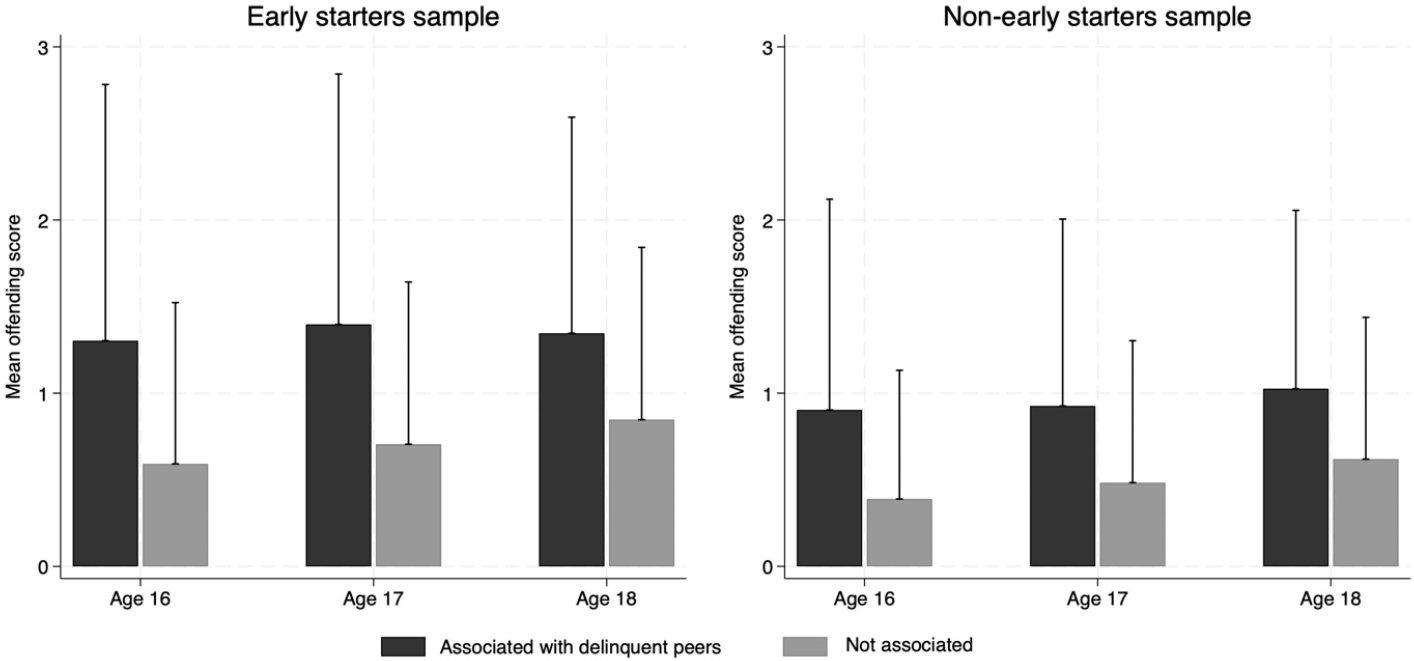
Figure 1 displays these matched-sample mean offending scores side by side for the early starter and non-early starter samples, illustrating that although both peer-associated groups show consistently higher offending than their non-associated counterparts, the absolute gap between the two subgroups is somewhat wider among early starters at every follow-up age.
Table 4 presents the treatment effect of delinquent peer association at age 15 on offending at ages 16, 17, and 18 for both early and non-early starters. For both groups, the association between delinquent peer affiliation and offending at each age is statistically significant. However, comparison of the coefficients reveals no statistically significant difference between the two groups, indicating that the effect of delinquent peer association does not vary with the age of onset.
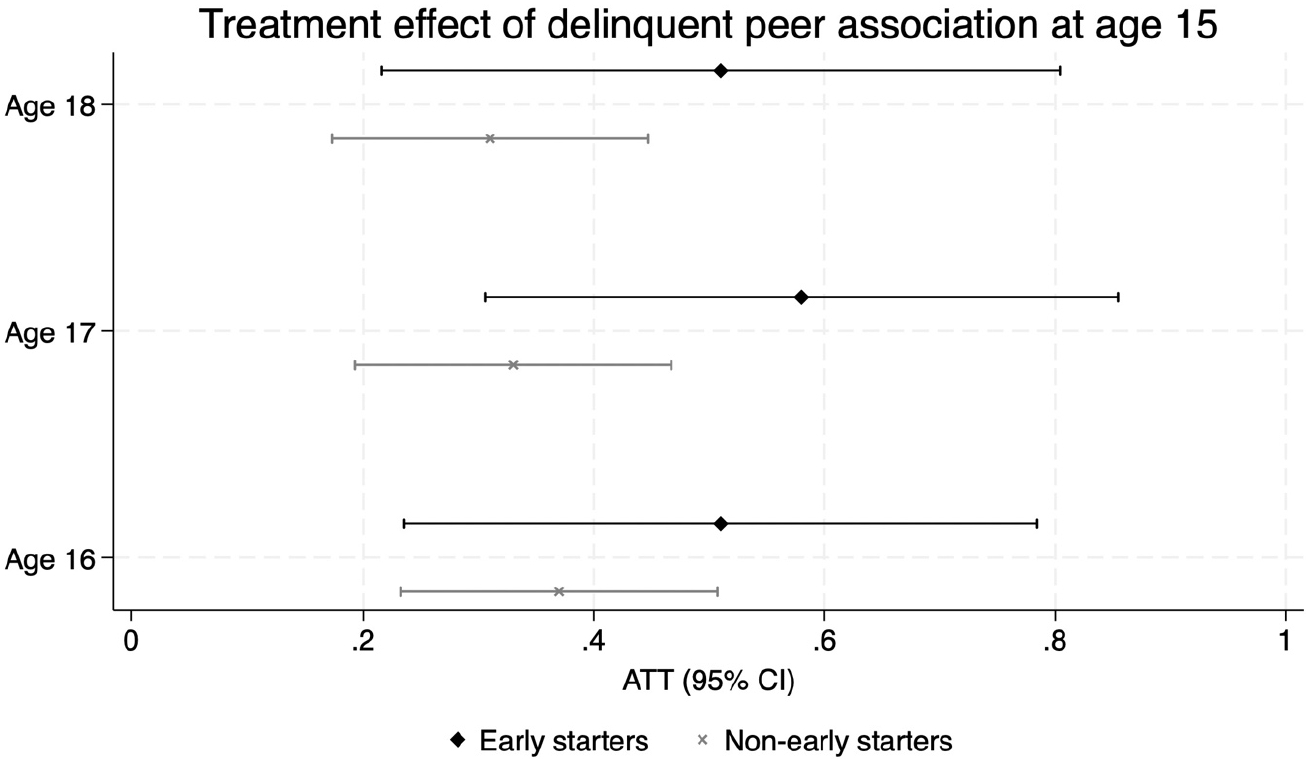
Figure 2 plots these average treatment effects on the treated (ATT), together with their 95% confidence intervals, for both groups at ages 16 through 18. Visual inspection confirms that the point estimates for early and non-early starters are of a broadly similar magnitude and that their confidence intervals overlap substantially at every age, suggesting that the association between delinquent peer association and the outcome is broadly similar between the two groups. The figure also shows that, within each group, the point estimates decline somewhat from age 16 to age 18.
Discussion
Drawing on a longitudinal sample of adolescents, this study aimed to estimate the potential heterogeneous effects of delinquent peer association on offending. Specifically, the current inquiry explored the deviant peers influence offending among those who initiated delinquency early versus those who did not. Matching the two groups based on baseline characteristics enables us to test different theoretical frameworks more thoroughly.
Our results confirm the facilitative effects of delinquent peer association on criminal behavior, even after accounting for strong selection and socialization correlates across various domains. Independent of their antisocial tendencies, adolescents are influenced by their delinquent companions, which contrasts with the ‘birds of a feather flock together’ hypothesis (
Glueck & Glueck, 1940;
Gottfredson & Hirschi, 1990). This finding suggests that the influence of delinquent peers is not merely a result of initial similarities between friends, but also involves a significant socialization effect (
Akers, 1998;
Reynolds & Crea, 2015).
In addition, the detrimental effects of deviant peer affiliation appear to be more substantial for non-early staters. Although deviant peers exerted significant impacts on early onsetters, the statistical differences between those associated with deviant friends and those who were not were prominent among individuals who began delinquent behavior in adolescence. This finding is consistent with the adolescence-limited offender typology, which posits that individuals who engage in delinquency during adolescence are more susceptible to peer influence, as their criminal behavior is often a response to social and situational factors rather than a deep-seated disposition (
Moffitt, 1993). The finding further supports previous studies demonstrating that deviant peer effects are particularly significant for those with lower inherent criminal propensity (Thomas & McGloin, 2013). Thus, our findings underscore the importance of considering the timing of delinquent behavior onset when examining the impact of deviant peer affiliations, providing insights into the social processes underlying delinquent peer relationships.
Furthermore, for both early and non-early staters, the results showed age-graded impacts of deviant peer affiliation from mid to late adolescence. Specifically, the differences in offending between those exposed to deviant peers and those not exposed were more pronounced at younger ages, regardless of the onset age. This suggests that delinquent peers had a more substantial influence on adolescents when they were younger, aligning with the socialization thesis. According to this perspective, early exposure to deviant peers exerts a stronger socializing effect, increasing the likelihood of engaging in similar behaviors (
Akers, 1998). However, as adolescents aged, the influence of deviant peers diminished, although it remained statistically significant. This finding challenges criticisms of the socialization hypothesis from the selection perspective, which argue that social learning theory cannot adequately explain individual variations in criminal behavior (
Gottfredson & Hirschi, 1990).
Taken together with the treatment effect estimates plotted in
Figure 2, these age-graded patterns dovetail with developmental research showing that resistance to peer influence is not static across adolescence but increases steadily from early to late adolescence (
Steinberg & Monahan, 2007). If 16-year-olds are, on average, less able to resist the pull of deviant companions than 18-year-olds, the somewhat larger treatment effects observed at age 16 relative to age 18, visible for both early and non-early starters (
Figure 2), may reflect a genuine developmental shift in susceptibility rather than a peculiarity of our sample or measures. This interpretation is further consistent with longitudinal evidence that both selection and socialization processes operate during middle adolescence, but that socialization continues to drive similarity between peers into later adolescence even as selection effects weaken (
Monahan et al., 2009). Our finding that delinquent peer association remains a significant predictor of offending at every age examined, but with declining magnitude, is broadly consistent with this developmental account, and suggests that the socialization process documented here does not simply persist unchanged throughout adolescence but gradually attenuates as adolescents mature and become more resistant to peer pressure.
The present study is not without limitations. We used a perceptual peer measure based on respondents’ self-reports of their peers’ delinquent behavior. Although both self-report and perceptual measures are commonly used in peer studies and have advantages, we acknowledge the issue of projection with the perceptual measures (see
McGloin & Thomas, 2019). Therefore, further research would benefit from addressing the gap between perceptual and objective measures and testing the inquiry using objective peer measures.
Another limitation concerns the generalizability of the findings across developmental periods. Since the present study examines delinquent peer association measured specifically at age 15, our findings should be interpreted as reflecting the association between delinquent peer association at this particular age and subsequent offending, rather than as evidence of a uniform effect of delinquent peer association across adolescence more broadly. Prior developmental research suggests that the salience and behavioral consequences of peer influence can vary across different ages and stages of adolescence (
Warr, 1993), and it remains possible that delinquent peer association occurring at earlier or later ages exerts different effects on offending trajectories than those observed here.
Moreover, while our study provides evidence supporting the socialization hypothesis, it is important to note that we cannot completely rule out every single potential covariate. Factors such as family background, school environment, and neighborhood circumstances might still contribute to the observed associations, and their effects could not be fully disentangled in this analysis. Therefore, while our results strongly suggest that delinquent peer influence contributes to increased offending, we acknowledge the possibility that some of the observed effects might still be partially attributable to unmeasured or inadequately controlled factors. Future research should continue to explore these dynamics and seek to identify and control for additional variables that may impact the relationship between peer associations and offending.
A related limitation concerns the assumptions underlying propensity score matching itself. As with any matching-based causal design, the treatment effects reported here are only as credible as the conditional independence assumption that, once matched on observed covariates, adolescents who did and did not associate with delinquent peers would have followed similar offending trajectories absent that association (
Apel & Sweeten, 2010). We addressed this concern by matching on ten theoretically grounded covariates spanning individual, peer, family, and school domains, but propensity score matching cannot, by construction, correct for confounders that were never measured. Future studies would benefit from combining matching approaches with formal sensitivity analyses that bound the degree of hidden bias needed to overturn the reported treatment effects, and from replicating this design using sibling or twin comparisons that can further net out shared genetic and family-level influences on both peer selection and offending.
Beyond these methodological considerations, our findings carry practical implications for prevention efforts targeting youths. Since the treatment effect of delinquent peer association did not differ meaningfully by onset status, peer-focused interventions, such as structured after-school programming, positive peer mentoring, or monitoring of peer networks, may be broadly beneficial regardless of when an adolescent first began offending, rather than needing to be reserved for either early-onset or adolescence-limited youth specifically. At the same time, the stronger effects observed among younger adolescents suggest that front-loading such interventions in early-to-middle adolescence, before resistance to peer influence has fully developed, may yield the greatest return in reducing subsequent offending. Future research should extend this design into early adulthood to determine whether the socialization effect of delinquent peers documented here continues to weaken, as
Monahan et al. (2009) found, or whether it re-emerges under different social and institutional circumstance.
Notes
Figure 1.Mean Offending Scores at Ages 16–18 by Delinquent Peer Association Status, for Early Starters and Non-Early Starters
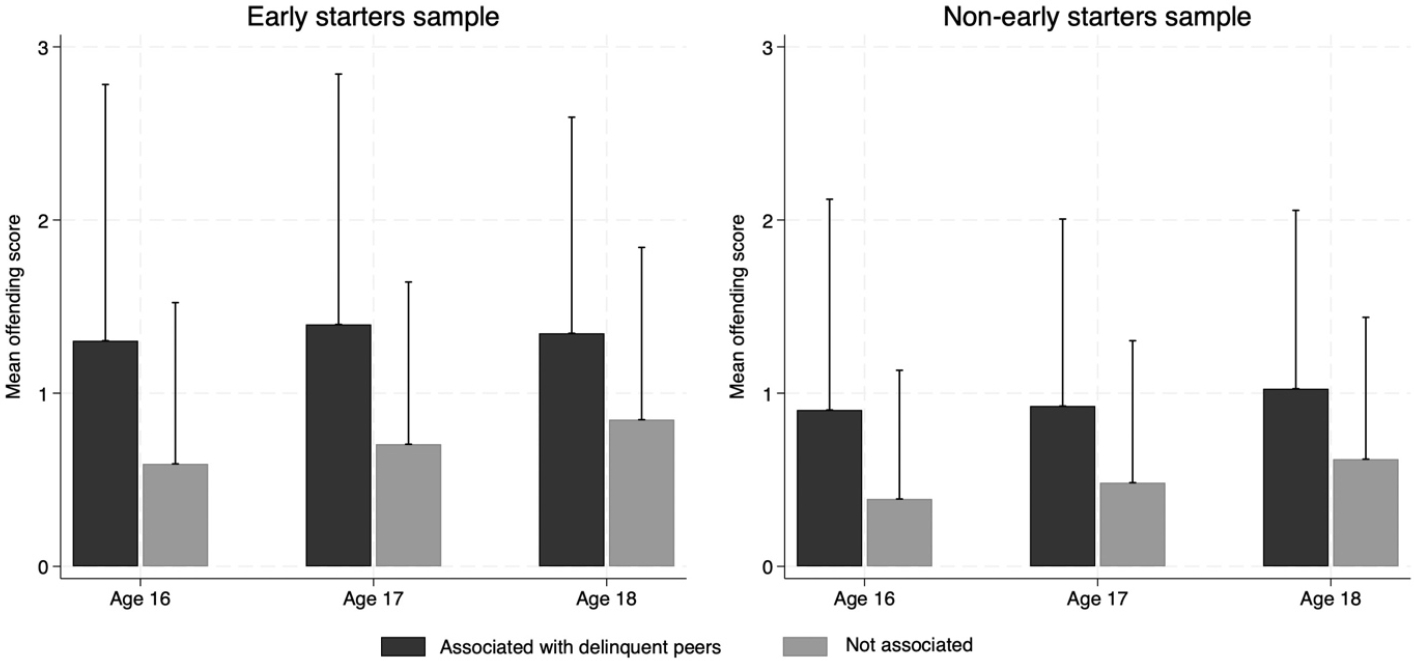
Figure 2.Estimated Treatment Effects of Delinquent Peer Association at Age 15 on Offending at Ages 16–18, by Onset Status
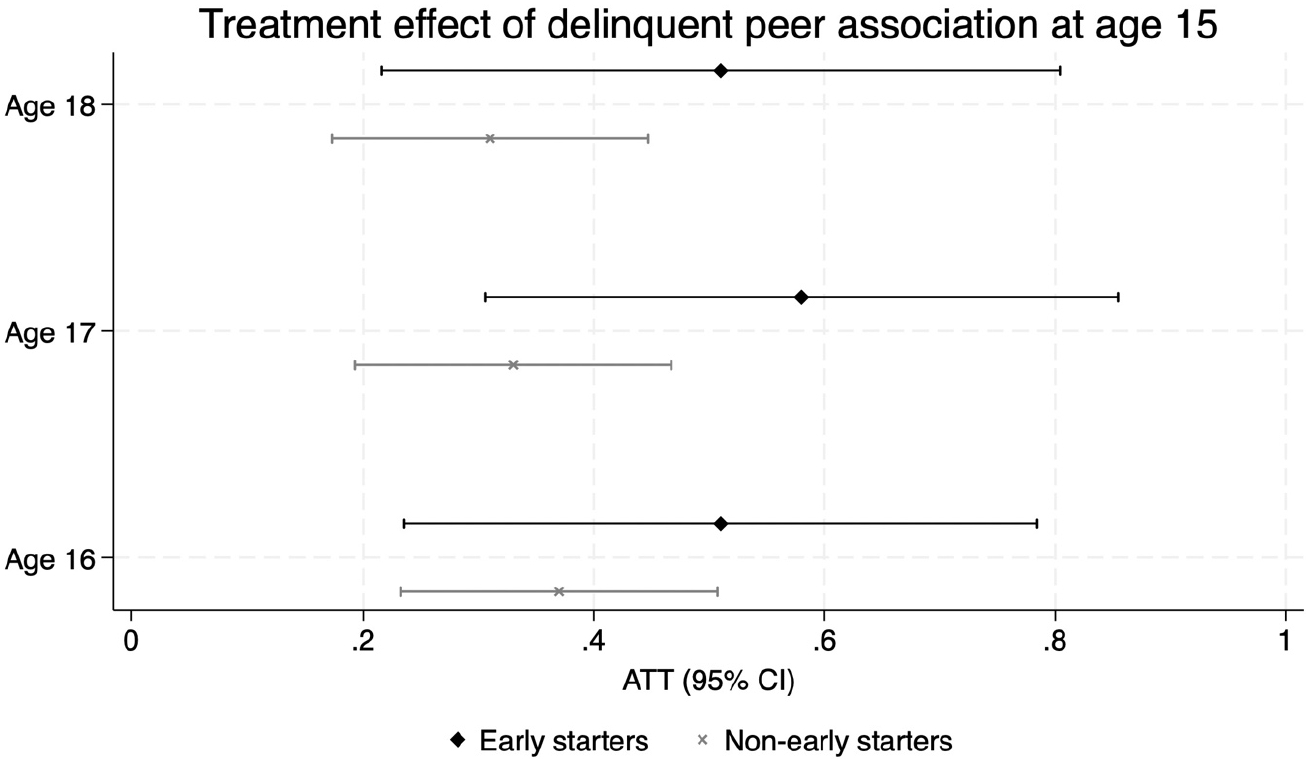
Table 1.Descriptive Statistics for KYPS variables for both early and non-early starters
Table 1.
|
Early starters
|
Non-early starters
|
|
Mean |
SD |
Min |
Max |
Mean |
SD |
Min |
Max |
|
Outcome variables
|
|
|
|
|
|
|
|
|
|
Offending at age 16 |
0.95 |
1.29 |
0 |
8 |
0.56 |
0.97 |
0 |
9 |
|
Offending at age 17 |
1.07 |
1.27 |
0 |
9 |
0.63 |
0.94 |
0 |
8 |
|
Offending at age 18 |
1.11 |
1.18 |
0 |
7 |
0.76 |
0.94 |
0 |
7 |
|
Treatment variable (at age 15)
|
|
|
|
|
|
|
|
|
|
Delinquent peer association |
0.49 |
0.50 |
0 |
1 |
0.31 |
0.46 |
0 |
1 |
|
Covariates (at age 14)
|
|
|
|
|
|
|
|
|
|
Gender |
0.50 |
0.50 |
0 |
1 |
0.50 |
0.50 |
0 |
1 |
|
Self-control |
17.47 |
4.05 |
6 |
30 |
15.47 |
3.89 |
6 |
30 |
|
Parental attachment |
6.13 |
2.11 |
2 |
10 |
6.39 |
1.90 |
2 |
10 |
|
Parental warmth |
10.04 |
2.53 |
3 |
15 |
10.40 |
2.30 |
3 |
15 |
|
Parental monitoring |
12.51 |
3.56 |
4 |
20 |
13.04 |
3.41 |
4 |
20 |
|
Delinquent peer association |
0.59 |
0.49 |
0 |
1 |
0.31 |
0.46 |
0 |
1 |
|
Peer attachment |
16.28 |
2.69 |
4 |
20 |
16.19 |
2.59 |
4 |
20 |
|
Teacher attachment |
7.08 |
2.53 |
3 |
15 |
7.50 |
2.44 |
3 |
15 |
|
Victimization |
0.55 |
0.99 |
0 |
6 |
0.26 |
0.66 |
0 |
6 |
|
Offending |
1.89 |
1.63 |
0 |
9 |
0.52 |
1.07 |
0 |
9 |
Table 2.Results of a Matched Sample Comparison for Delinquent Peer Association at Age 15: Early Starters Sample
Table 2.
|
Associated
|
Non
|
t value |
|
|
Mean |
SD |
Mean |
SD |
|
Offending at age 16 |
1.303 |
1.480 |
0.592 |
0.931 |
8.0981 |
***
|
|
Offending at age 17 |
1.397 |
1.446 |
0.705 |
0.937 |
7.9268 |
***
|
|
Offending at age 18 |
1.346 |
1.248 |
0.847 |
0.995 |
5.9756 |
***
|
Table 3.Results of a Matched Sample Comparison for Delinquent Peer Association at Age 15: Non-Early Starters Sa mple
Table 3.
|
Associated
|
Non
|
|
|
|
Mean |
SD |
Mean |
SD |
t value |
|
|
Offending at age 16 |
0.903 |
1.217 |
0.389 |
0.743 |
11.688 |
***
|
|
Offending at age 17 |
0.926 |
1.080 |
0.483 |
0.820 |
10.111 |
***
|
|
Offending at age 18 |
1.026 |
1.030 |
0.619 |
0.819 |
9.2083 |
***
|
Table 4.Treatment Effect of Delinquent Peer Association at Age 15 for Both Early and Non-Early Starters
Table 4.
|
Early starters
|
Non-early starters
|
|
|
Coef. |
SE |
z value |
|
Coef. |
SE |
z value |
|
z value |
|
Offending at age 16 |
0.51 |
0.14 |
3.67 |
***
|
0.37 |
0.07 |
4.91 |
***
|
0.93 |
|
Offending at age 17 |
0.58 |
0.14 |
4.16 |
***
|
0.33 |
0.07 |
4.80 |
***
|
1.64 |
|
Offending at age 18 |
0.51 |
0.15 |
3.31 |
**
|
0.31 |
0.07 |
4.70 |
***
|
1.16 |
REFERENCES
- Akers, R. L. (1998). Social learning and social structure: A general theory of crime and deviance. Northeastern University Press.
- Akers, R. L., Krohn, M. D., Lanza-kaduce, L., & Radosevich, M. (1979). Social learning and deviant behavior: A specific test of a general theory. American Sociological Review, 44(4), 636–655. https://doi.org/10.2307/2094592
- Apel, R. J., & Sweeten, G. (2010). Propensity score matching in criminology and criminal justice. In A. R. Piquero & D. Weisburd (Eds.), Handbook of quantitative criminology (pp. 543–562). Springer. https://doi.org/10.1007/978-0-387-77650-7_26
- Bacon, S., Paternoster, R., & Brame, R. (2009). Understanding the relationship between onset age and subsequent offending during adolescence. Journal of Youth and Adolescence, 38(3), 301–311. http://doi.org/10.1007/s10964-008-9322-7
- Bendixen, M., Endresen, I. M., & Olweus, D. (2003). Variety and frequency scales of antisocial involvement: Which one is better?. Legal and Criminological Psychology, 8(2), 135–150. http://doi.org/10.1348/135532503322362924
- Chun, J., & Chung, I. J. (2013). Gender differences in factors influencing smoking, drinking, and their co-occurrence among adolescents in South Korea. Nicotine and Tobacco Research, 15(2), 542–551. http://doi.org/10.1093/ntr/nts181
- DeLisi, M., Neppl, T. K., Lohman, B. J., Vaughn, M. G., & Shook, J. J. (2013). Early starters: Which type of criminal onset matters most for delinquent careers?. Journal of Criminal Justice, 41(1), 12–17. http://doi.org/10.1016/j.jcrimjus.2012.10.002
- Gann, S. M., Sullivan, C. J., & Ilchi, O. S. (2015). Elaborating on the effects of early offending: A study of factors that mediate the impact of onset age on long-term trajectories of criminal behavior. Journal of Developmental and Life-Course Criminology, 1(1), 63–86. http://doi.org/10.1007/s40865-015-0003-4
- Glueck, S., & Glueck, E. (1940). Juvenile delinquents grown up. Commonwealth fund.
- Gordon, R. A., Lahey, B. B., Kawai, E., Loeber, R., Stouthamer-Loeber, M., & Farrington, D. P. (2004). Antisocial behavior and youth gang membership: selection and socialization. Criminology, 42(1), 55–88. https://doi.org/10.1111/j.1745-9125.2004.tb00513.x
- Gottfredson, M., & Hirschi, T. (1988). Science, public policy, and the career paradigm. Criminology, 26(1), 37–55. https://doi.org/10.1111/j.1745-9125.1988.tb00830.x
- Gottfredson, M. R., & Hirschi, T. (1990). A general theory of crime. Stanford University Press. https://doi.org/10.1515/9781503621794
- Grasmick, H. G., Tittle, C. R., Bursik, R. J., & Arneklev, B. J. (1993). Testing the core empirical implications of Gottfredson and Hirschi’s general theory of crime. Journal of Research in Crime and Delinquency, 30(1), 5–29. http://doi.org/10.1177/0022427893030001002
- Han, Y., & Grogan-Kaylor, A. (2012). Parenting and youth psychosocial well-being in South Korea using fixed-effects models. Journal of Family Issues, 34(5), 689–715. http://doi.org/10.1177/0192513X12440091
- Haynie, D. L. (2002). Friendship networks and delinquency: The relative nature of peer delinquency. Journal of Quantitative Criminology, 18(2), 99–134. https://doi.org/10.1023/A:1015227414929
- Hirschi, T. (1969). Causes of delinquency. University of California Press.
- Hoeben, E. M., Meldrum, R. C., Walker, D. A., & Young, J. T. (2016). The role of peer delinquency and unstructured socializing in explaining delinquency and substance use: A state-of-the-art review. Journal of Criminal Justice, 47, 108–122. https://doi.org/10.1016/j.jcrimjus.2016.08.001
- Hwang, S., & Akers, R. L. (2006). Parental and peer influences on adolescent drug use in Korea. Asian Journal of Criminology, 1(1), 51–69. http://doi.org/10.1007/s11417-006-9009-5
- Jennings, W. G., Higgins, G. E., Akers, R. L., Khey, D. N., & Dobrow, J. (2013). Examining the influence of delinquent peer association on the stability of self-control in late childhood and early adolescence: Toward an integrated theoretical model. Deviant Behavior, 34(5), 407–422. http://doi.org/10.1080/01639625.2012.735903
- Kim, E., Kwak, D.-H., & Yun, M. (2010). Investigating the effects of peer association and parental influence on adolescent substance use: A study of adolescents in South Korea. Journal of Criminal Justice, 38(1), 17–24. http://doi.org/10.1016/j.jcrimjus.2009.11.003
- Krohn, M. D., Thornberry, T. P., Rivera, C., & Le Blanc, M. (2001). Later delinquency careers. In R. Loeber & D. P. Farrington (Eds.), Child delinquents: Development, intervention, and service needs (pp. 67–94). Sage Publications. https://doi.org/10.4135/9781452229089.n4
- Lacourse, E., Nagin, D., Tremblay, R. E., Vitaro, F., & Claes, M. (2003). Developmental trajectories of boys’ delinquent group membership and facilitation of violent behaviors during adolescence. Development and Psychopathology, 15(1), 183–197. http://doi.org/10.1017/S0954579403000105
- Lee, J.-L. (2008). The influence of attachments to parents, teachers, and friends on delinquencies among elementary school students. Journal of Korean Home Management Association, 26(4), 27–40.
- McGloin, J. M., & Thomas, K. J. (2019). Peer influence and delinquency. Annual Review of Criminology, 2(1), 241–264. https://doi.org/10.1146/annurev-criminol-011518-024551
- Moffitt, T. E. (1993). Adolescence-limited and life-course-persistent antisocial behavior: A developmental taxonomy. Psychological Review, 100(4), 674–701. http://doi.org/10.1037/0033-295X.100.4.674
- Moffitt, T. E. (2003). Life-course-persistent and adolescence-limited antisocial behavior: A 10-year research review and a research agenda. In B. B. Lahey T. E. Moffitt & A. Caspi (Eds.), Causes of conduct disorder and juvenile delinquency (pp. 49–75). Guilford Press.
- Monahan, K. C., Steinberg, L., & Cauffman, E. (2009). Affiliation with antisocial peers, susceptibility to peer influence, and antisocial behavior during the transition to adulthood. Developmental Psychology, 45(6), 1520–1530. https://doi.org/10.1037/a0017417
- Nagin, D., & Paternoster, R. (2000). Population heterogeneity and state dependence : State of the evidence and directions for future research. Journal of Quantitative Criminology, 16(2), 117–144. https://doi.org/10.1023/A:1007502804941
- Nagin, D. S., & Land, K. C. (1993). Age, criminal careers, and population heterogeneity: Specification and estimation of a nonparametric, mixed poisson model. Criminology, 31(3), 327–362. https://doi.org/10.1111/j.1745-9125.1993.tb01133.x
- Paternoster, R., Brame, R., Mazerolle, P., & Piquero, A. (1998). Using the correct statistical test for the equality of regression coefficients. Criminology, 36(4), 859–866. http://doi.org/10.1111/j.1745-9125.1998.tb01268.x
- Paternoster, R., McGloin, J. M., Nguyen, H., & Thomas, K. J. (2013). The causal impact of exposure to deviant peers: An experimental investigation. Journal of Research in Crime and Delinquency, 50(4), 476–503. https://doi.org/10.1177/0022427812444274
- Piquero, A. R., Farrington, D. P., & Blumstein, A. (2007). Key issues in criminal career research: New analyses of the Cambridge study in delinquent development. Cambridge University Press. https://doi.org/10.1017/CBO9780511499494
- Pratt, T. C., & Cullen, F. T. (2000). The empirical status of Gottfredson and Hirschi’s general theory of crime: A meta-analysis. Criminology, 38(3), 931–964.
- Pratt, T. C., Cullen, F. T., Sellers, C. S., Thomas Winfree, L., Madensen, T. D., Daigle, L. E., Fearn, N. E., & Gau, J. M. (2010). The empirical status of social learning theory: A meta-analysis. Justice Quarterly, 27(6), 765–802. https://doi.org/10.1111/j.1745-9125.2000.tb00911.x
- Reynolds, A. D., & Crea, T. M. (2015). Peer influence processes for youth delinquency and depression. Journal of Adolescence, 43, 83–95. https://doi.org/10.1016/j.adolescence.2015.05.013
- Schwartz, J. A., Solomon, S. J., & Valgardson, B. A. (2019). Socialization, selection, or both? The role of gene-environment interplay in the association between exposure to antisocial peers and delinquency. Journal of Quantitative Criminology, 35, 1–26. https://doi.org/10.1007/s10940-017-9368-3
- Sellers, C. S., Cochran, J. K., & Winfree, L. T. Jr (2003). Social learning theory and courtship violence: An empirical test. In R. L. Akers & G. F. Jensen (Eds.), Social learning theory and the explanation of crime (pp. 109–127). Transaction Publishers.
- Short, J. F. (1957). Differential Association and Delinquency. Social Problems, 4(3), 233–239. http://doi.org/10.1525/sp.1957.4.3.03a00060
- Steinberg, L., & Monahan, K. C. (2007). Age differences in resistance to peer influence. Developmental Psychology, 43(6), 1531–1543. https://doi.org/10.1037/0012-1649.43.6.1531
- Sutherl, E. H. (1947). Principles of criminology (4th ed.). J.B. Lippincott Co Co.
- Sweeten, G. (2012). Scaling criminal offending. Journal of Quantitative Criminology, 28(3), 533–557. http://doi.org/10.1007/s10940-011-9160-8
- Thornberry, T. P., & Krohn, M. D. (2005). Applying interactional theory to the explanation of continuity and change in antisocial behavior. In D. P. Farrington (Ed.), Integrated Developmental & Life-Course Theoreis of Offending (pp. 183–209.
- Thornberry, T. P., Krohn, M. D., Lizotte, A. J., & Chard-Wierschem, D. (1993). The role of juvenile gangs in facilitating delinquent behavior. Journal of Research in Crime and Delinquency, 30(1), 55–87. https://doi.org/10.1177/0022427893030001005
- Warr, M. (1993). Age, peers, and delinquency. Criminology, 31(1), 17–40. https://doi.org/10.1111/j.1745-9125.1993.tb01120.x
- Warr, M. (2002). Companions in crime: The social aspects of criminal conduct. Cambridge University Press. https://doi.org/10.1017/CBO9780511803956
- Weerman, F. M. (2011). Delinquent peers in context: A longitudinal network analysis of selection and influence effects. Criminology, 49(1), 253–286. https://doi.org/10.1111/j.1745-9125.2010.00223.x